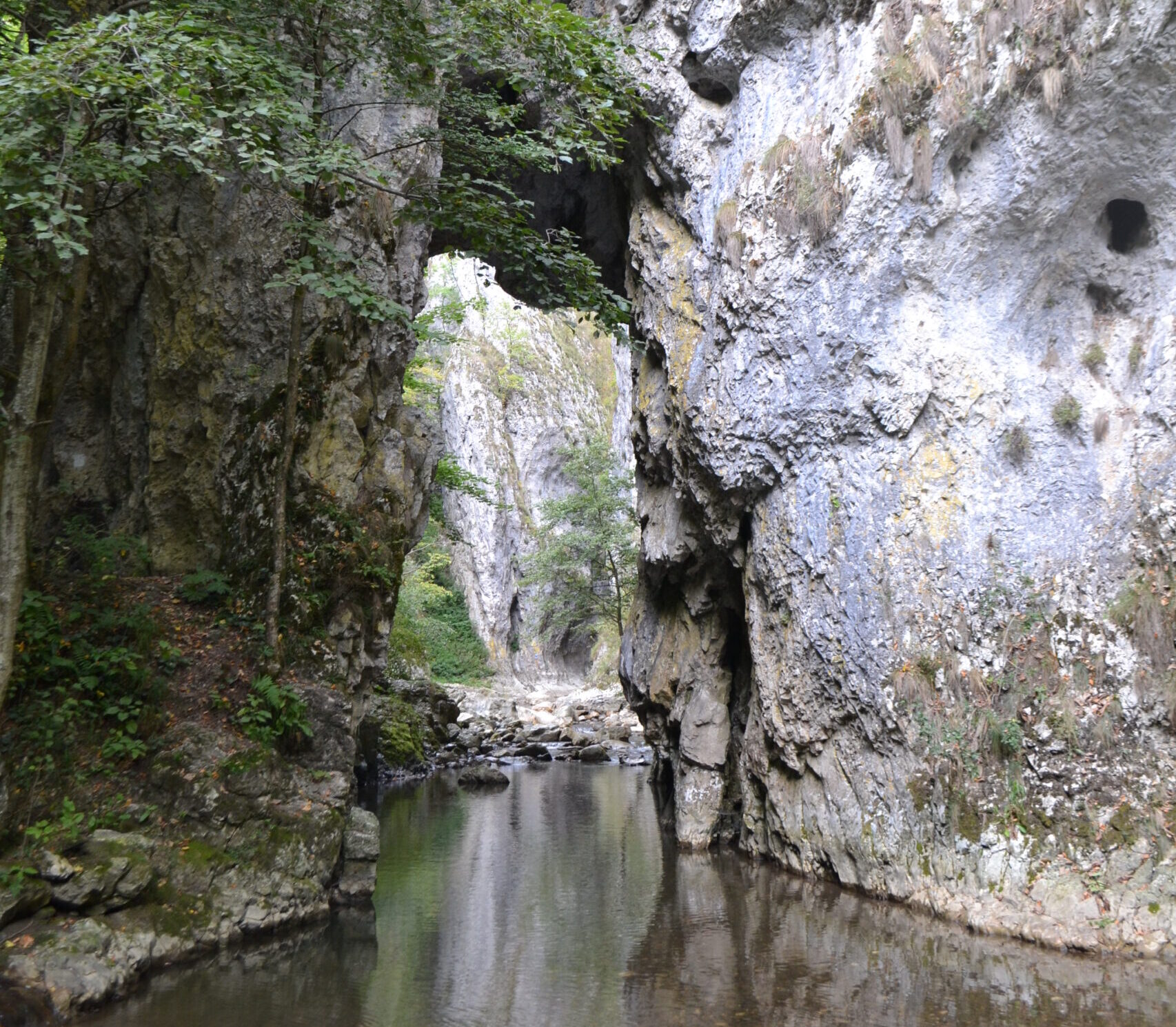
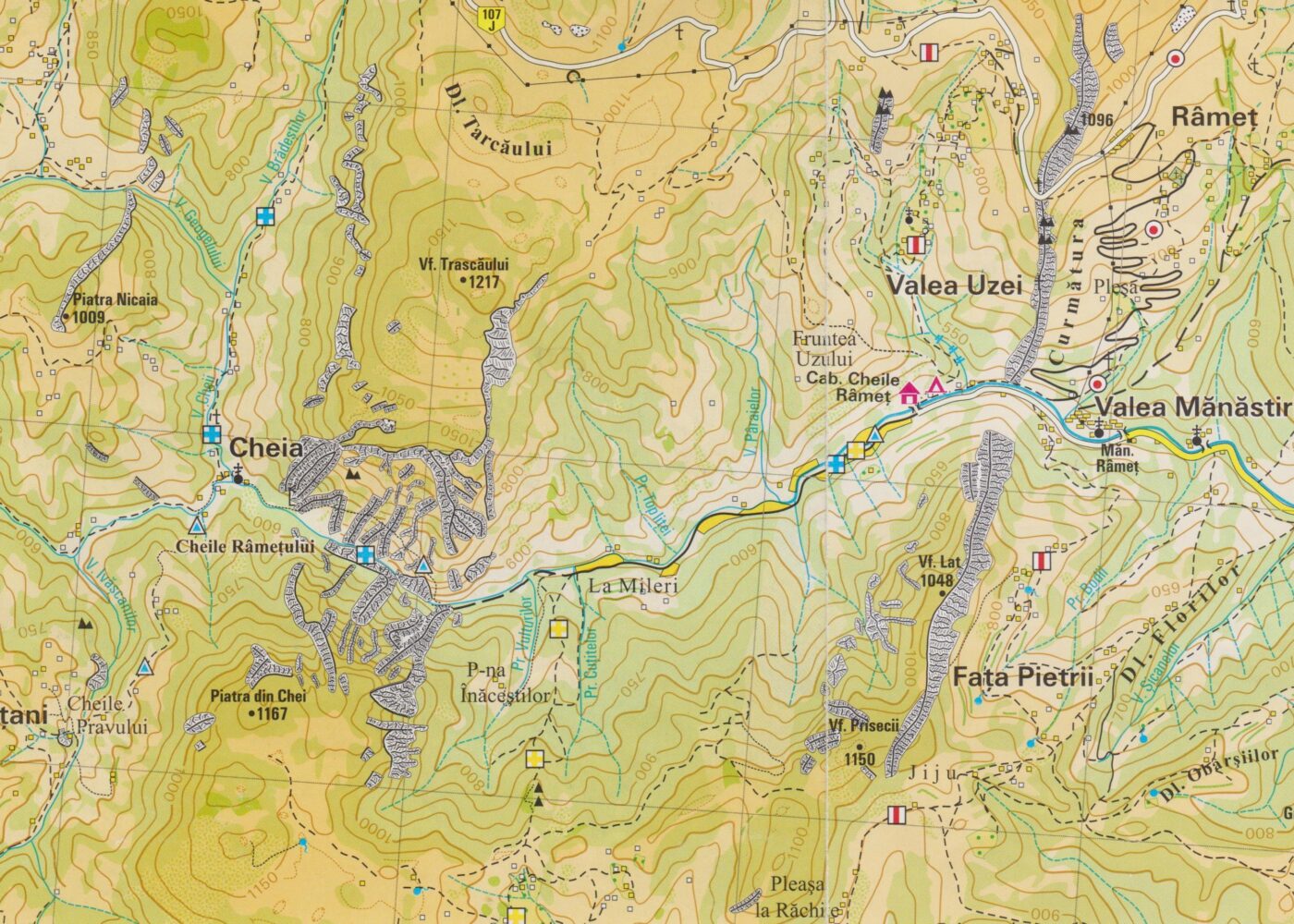
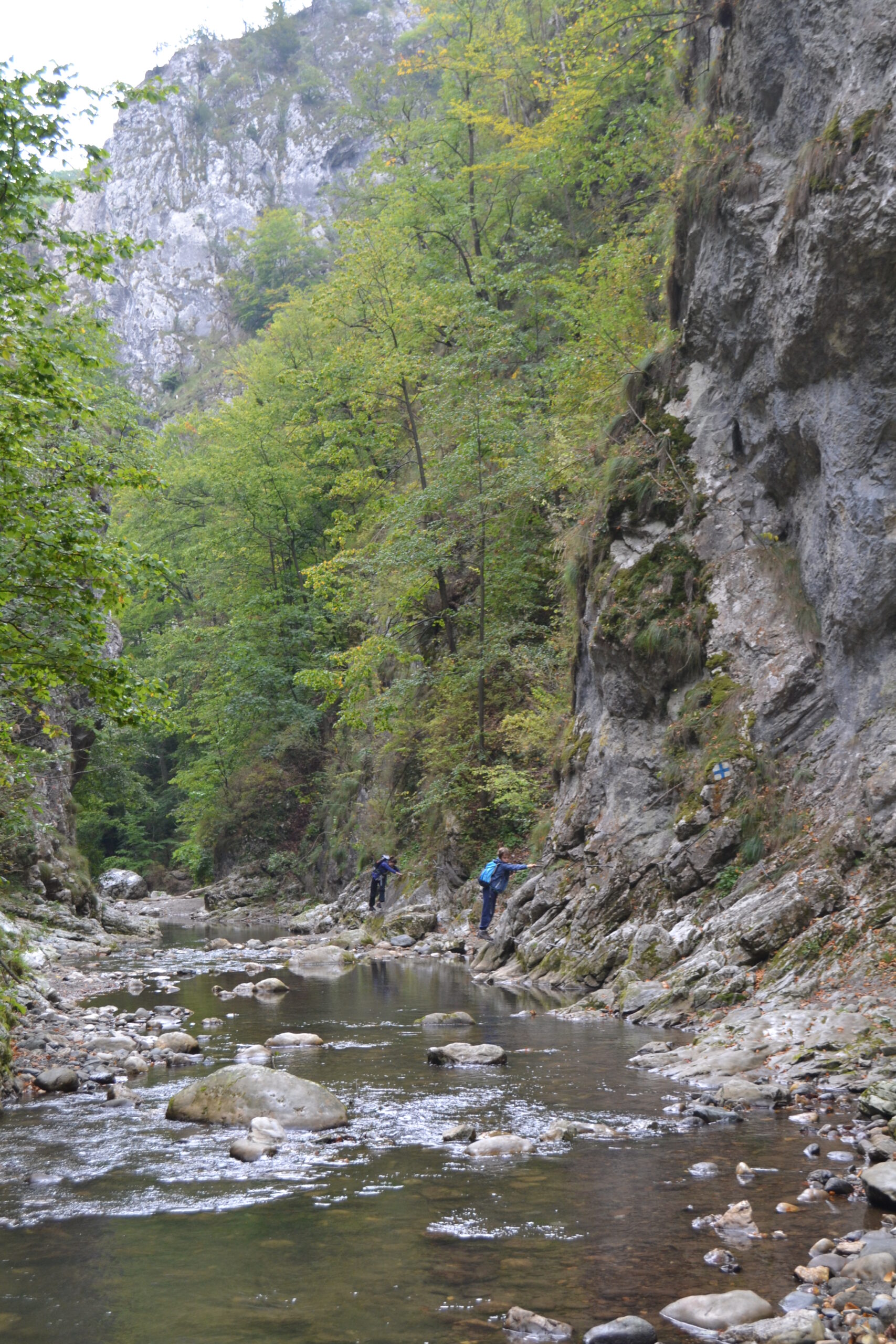
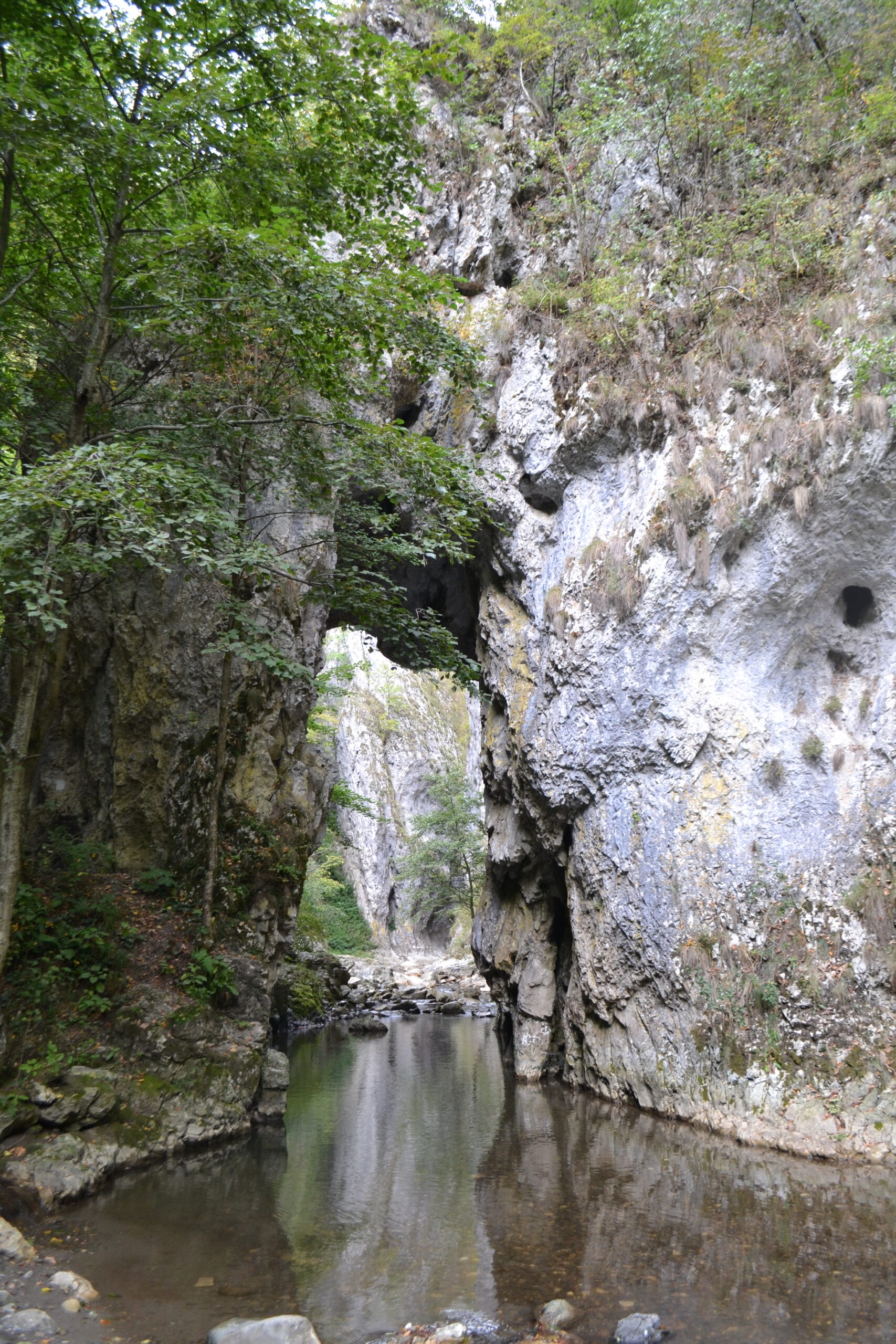
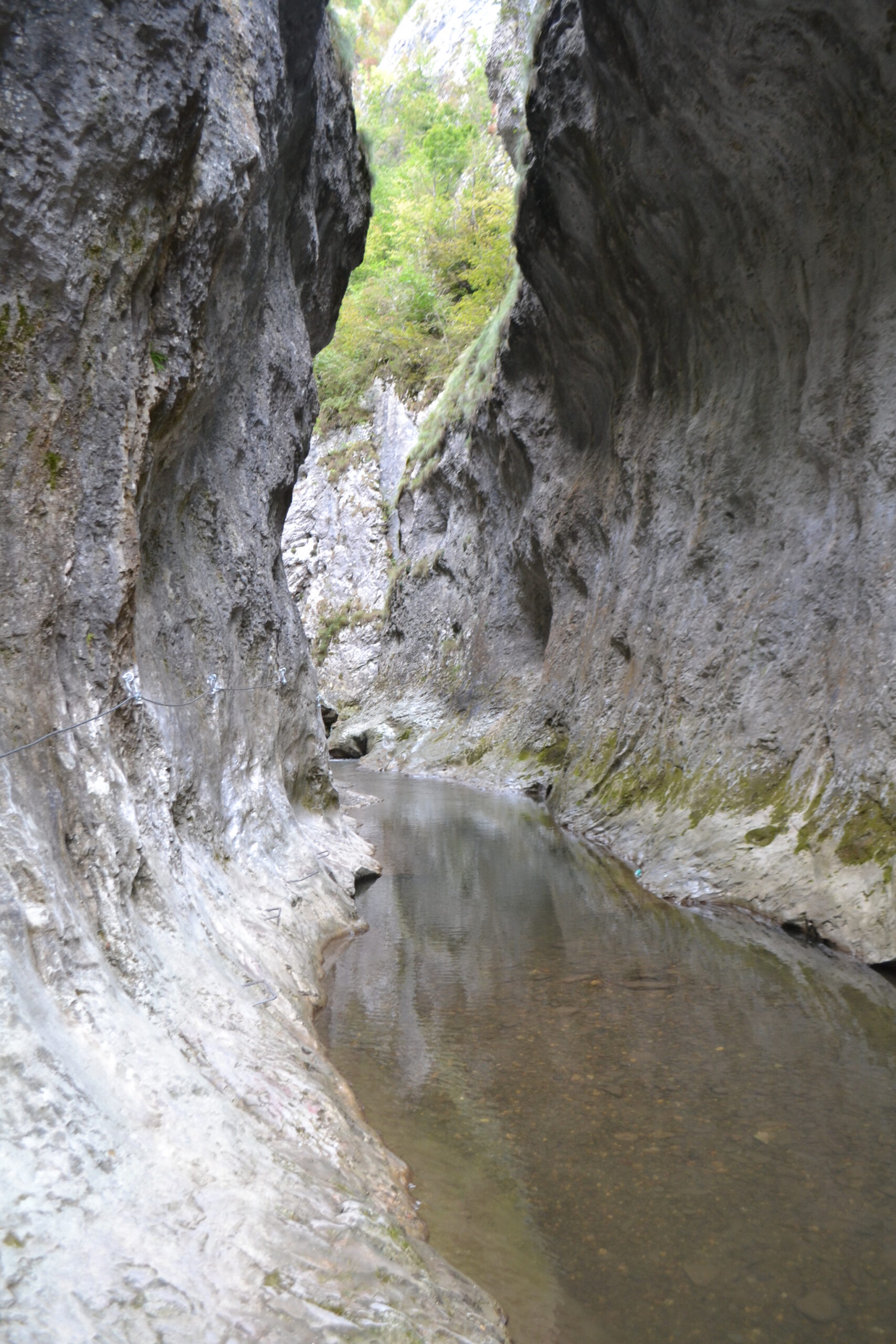
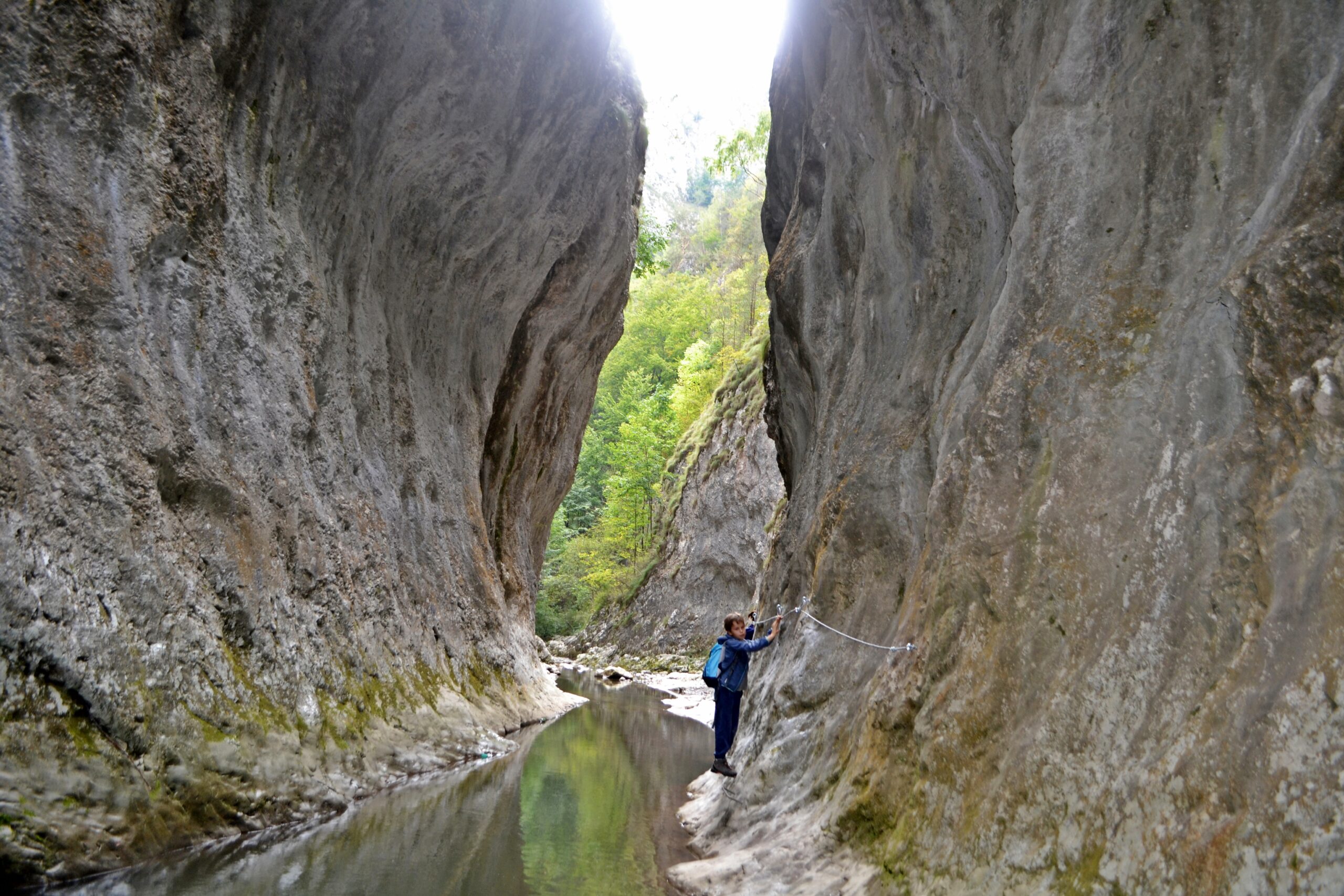
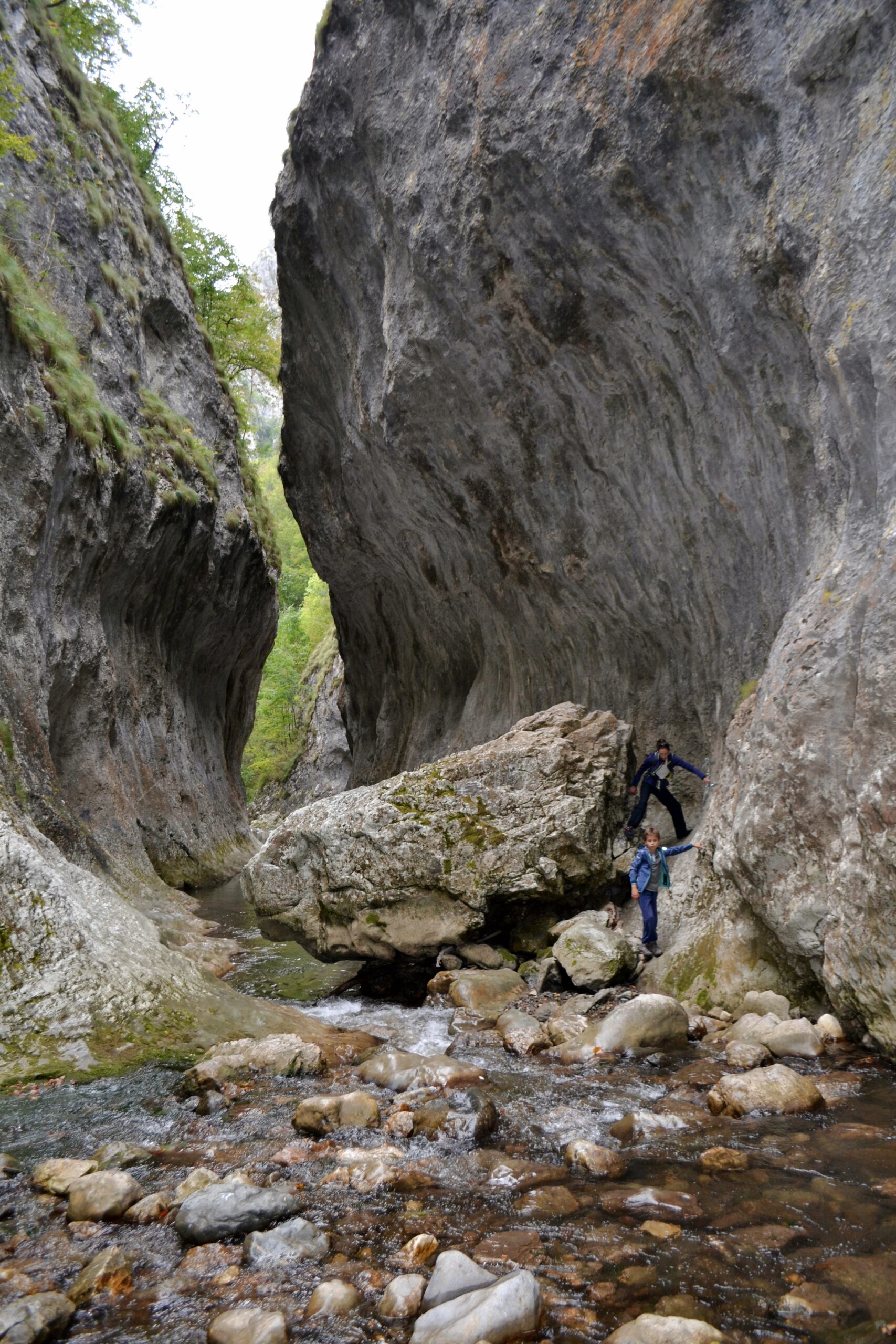
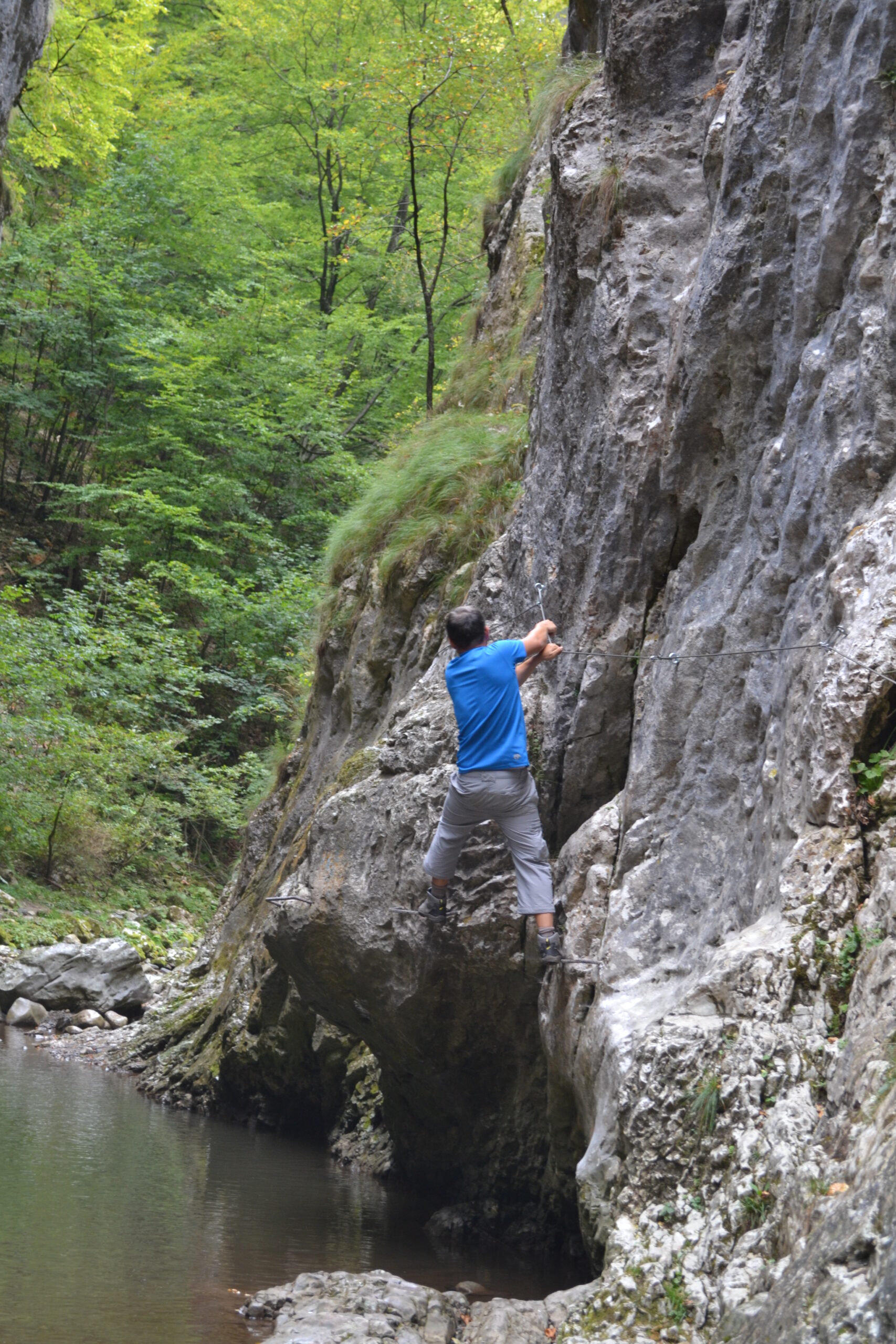
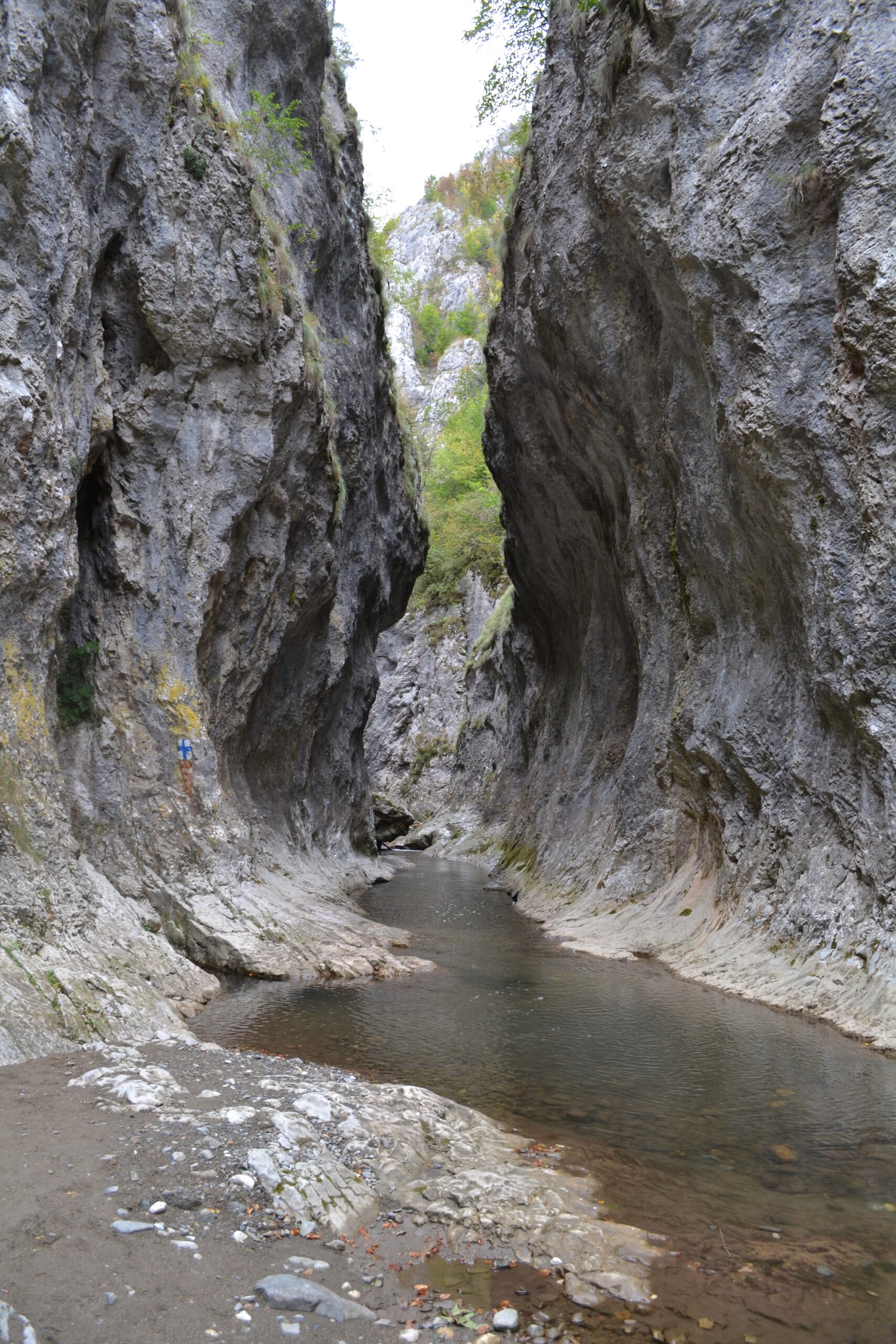
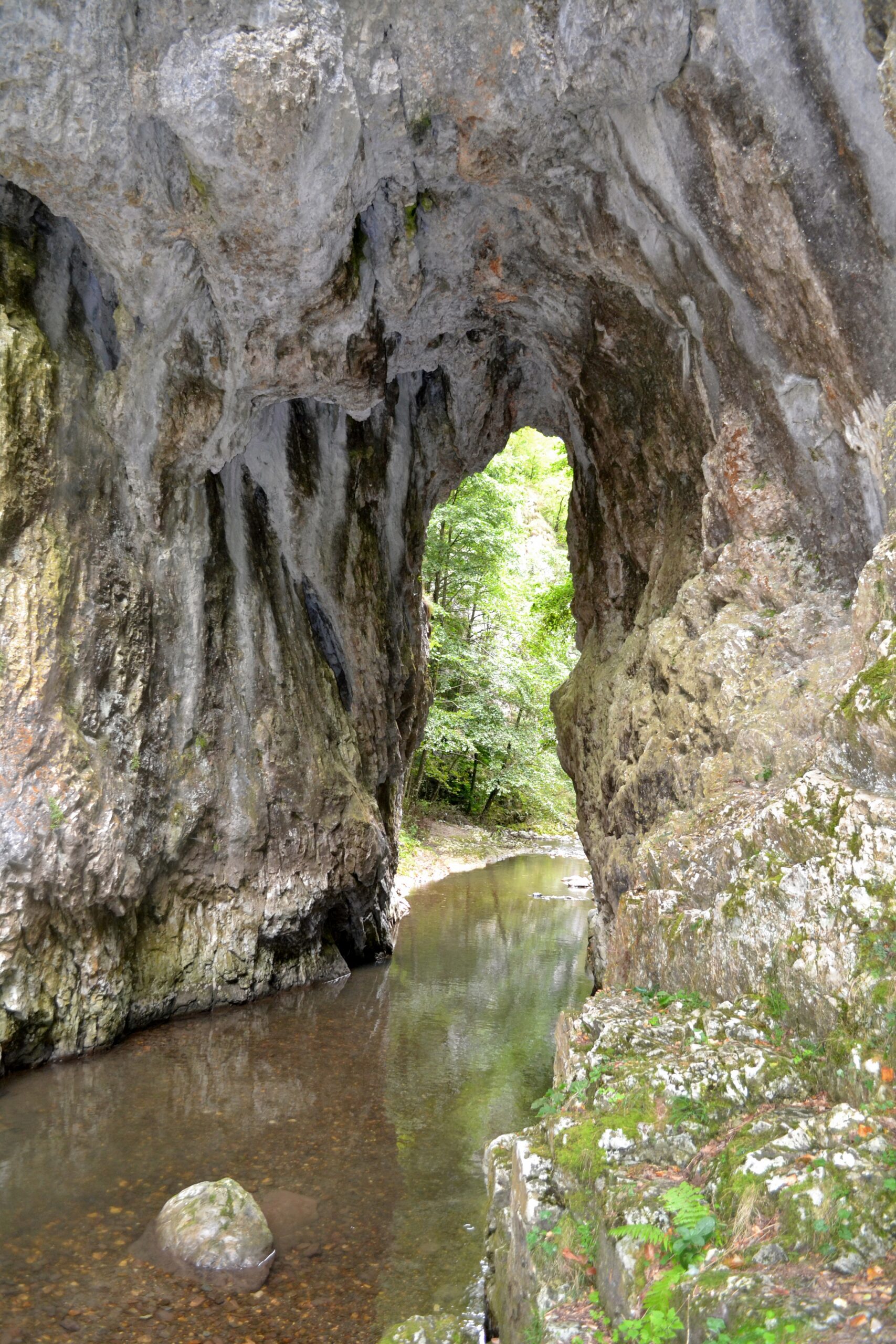
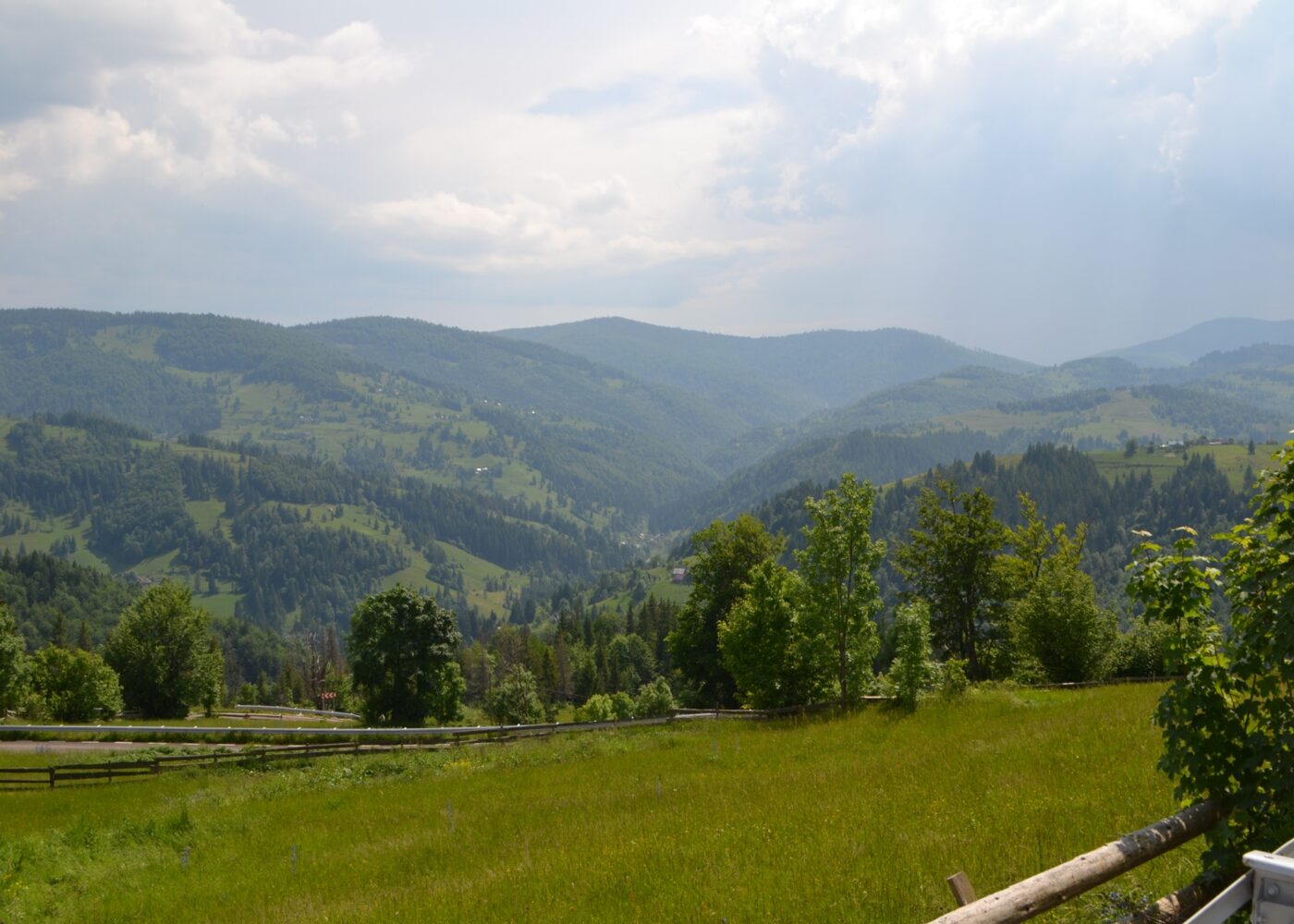
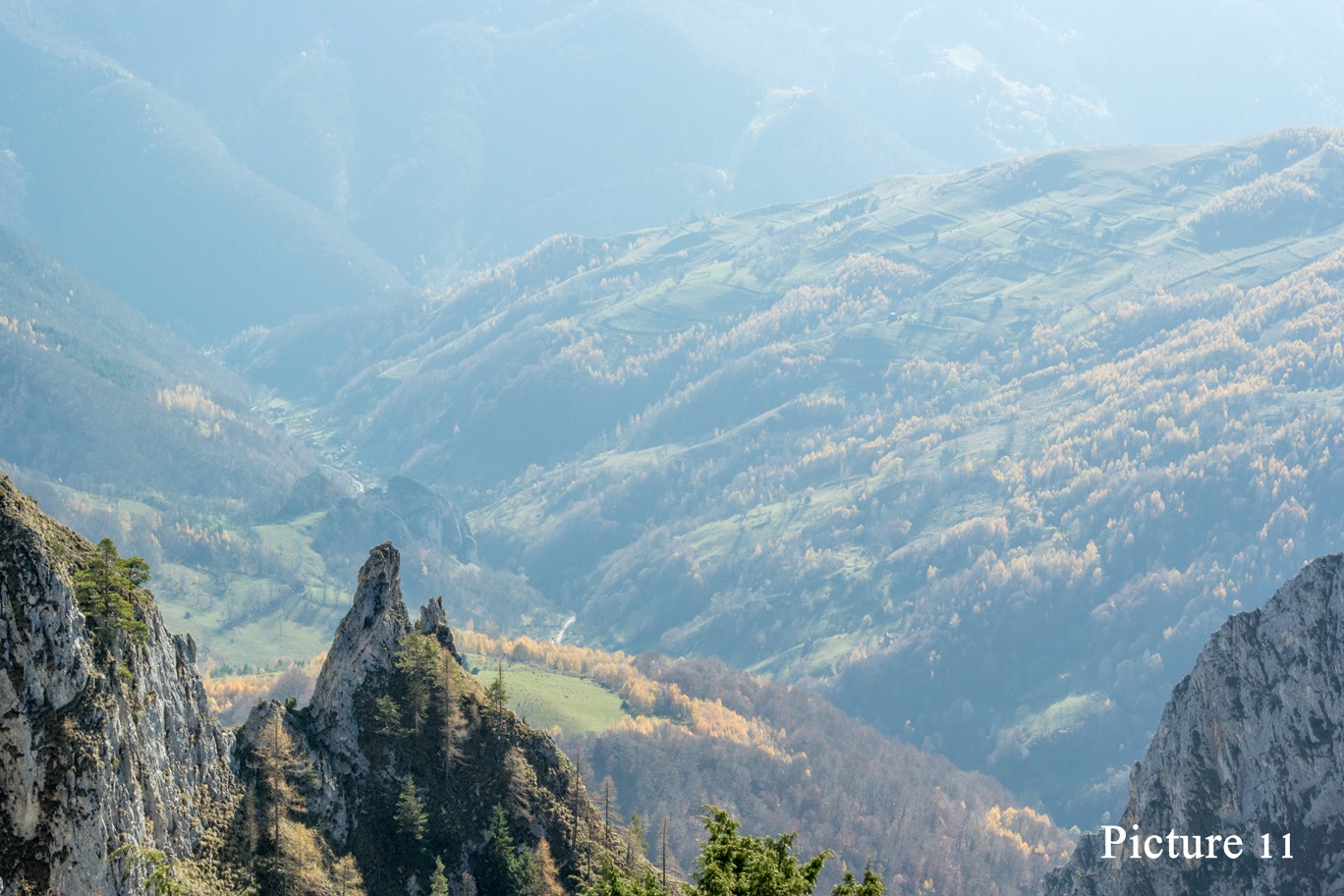
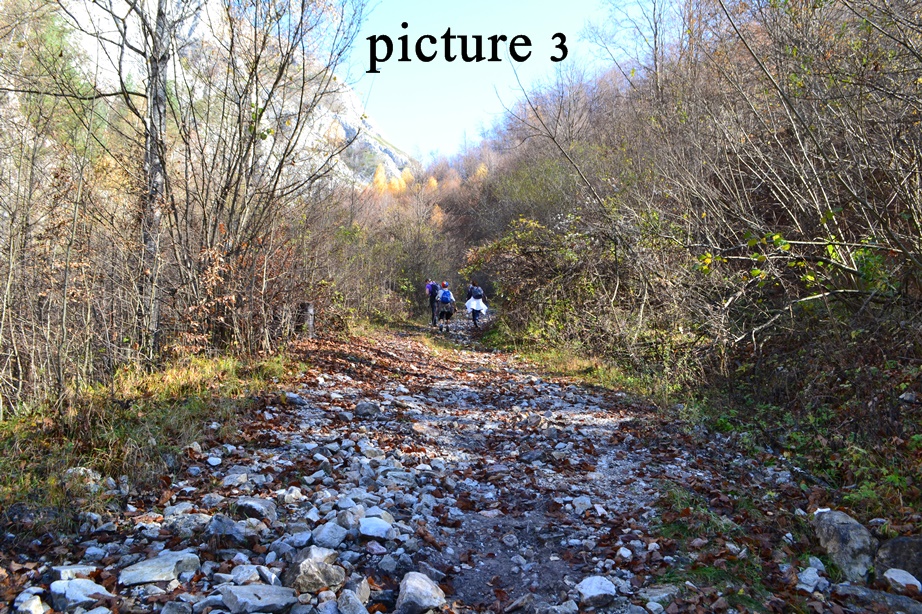
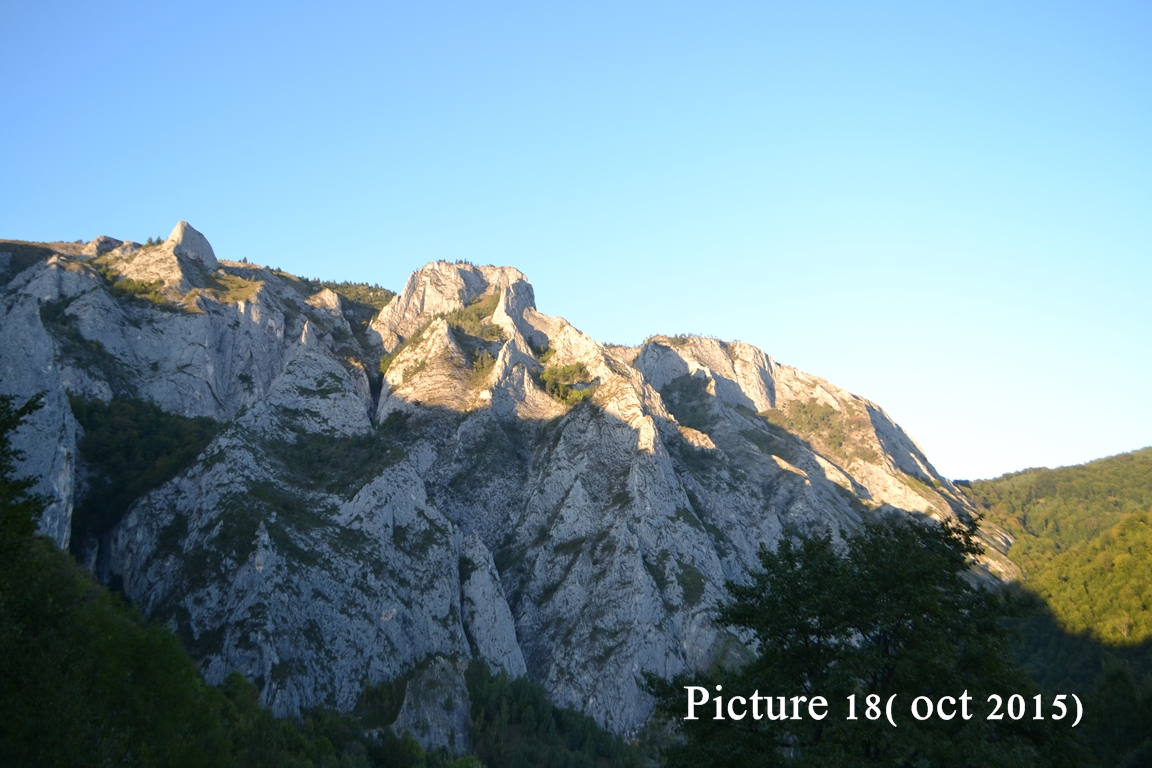
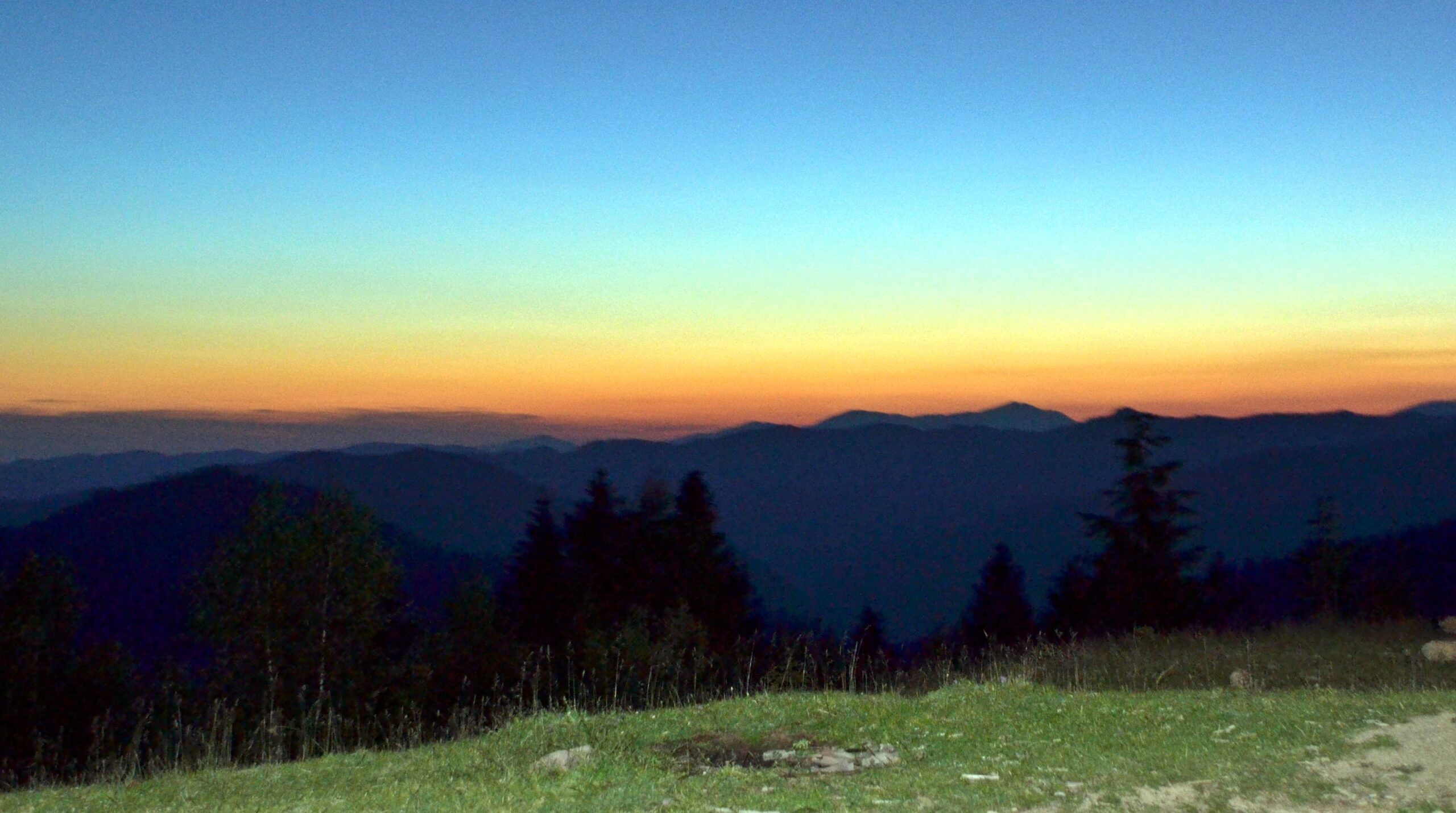
A major attraction of Trascău Mountains (a group of Apuseni Mountains) is Râmeţ Gorges ; this spectacular narrow gorges seems to be formed by collapsing of a few hundred meters cave ceiling and can be argued by the fact that the keys have a transverse V-profile, wider at the top.
You can use a car and park right at the entrance of gorges ; from this place it’s time to prepare your Photo Camera and warm up the arms and legs because big surprises is waiting for you
and you are therewere the fun beginsand continuesin a charming mannertake a breakand go onyou will be satisfiedeven on your way back because the scenery changes every step you take
It’s a paradise for nature lovers and photo enthusiast
It is clear that the need for transport won’t disappear anytime soon, and until teleportation is invented, I believe many more generations are destined to rely on traditional means of travel.
Owning a car solves a large part of the need for short and medium-distance transport, while the airplane covers our need to travel long distances; but what do we do when we don’t have a car and don’t want to turn to friends or relatives for a journey of tens or hundreds of kilometers?
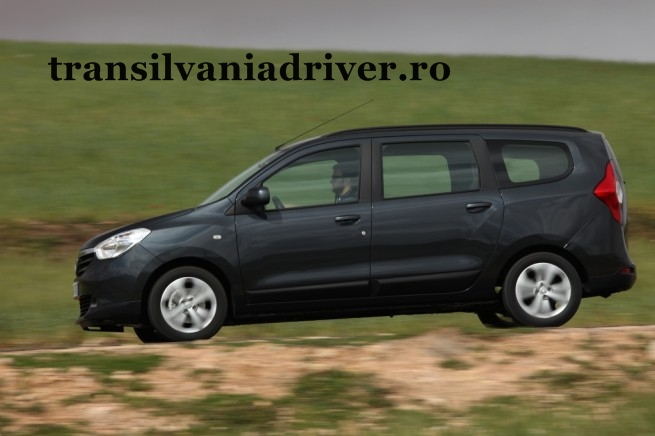
I am not going to launch into a critique of the Romanian railway system, with its obvious disadvantages; instead, I am going to try to lobby for the type of services provided by Transilvania Driver.
Passenger transport via chauffeur-driven car rentals is a relatively new field on the Romanian transport market. While legislation for it does exist, it isn’t very comprehensive (being something of an ‘unwanted child’ of the taxi industry), and I will proceed to present several obvious advantages of this type of service: – The speed of travel from one point to another over short and medium distances is due to the fact that passengers board the car at a pre-established point and disembark at a destination known and studied by the driver during the trip preparation stage; of course, the speed of travel never conflicts with passenger safety, as drivers possess advanced defensive driving skills and the most important thing is passenger SAFETY; – Passenger comfort is one of the major advantages; knowing the passengers’ needs in advance (their number, the amount of luggage, the necessity of legal or optional accessories for children or persons with disabilities), these can be adjusted according to the specifics of each individual case, resulting in a pleasant experience. Breaks for stretching, meals, smoking, or restrooms simply satisfy natural needs… last but not least, the cleanliness and comfort of the cars (including those in the economy class) are irreproachable; – The predictability of the service provided is based on a simple principle: you pay what you agreed with us, you receive a fiscal receipt, and you know exactly what to expect. This is a service a taxi driver cannot provide because they cannot offer a fixed price while simultaneously operating legally.
The list of obvious advantages could go on, but let’s see how we can minimize the only obvious disadvantage of the chauffeur-driven car rental service.
Sharing costs with other potential passengers seems to be the most accessible solution for paying less; with friends, acquaintances, or even strangers interested in the same destination during the same period as you… you know in advance when you are going, where you are going, and how much it costs. If you can’t find an acquaintance, friend, or colleague (through word-of-mouth or social media), you still have one of the most ‘trendy’ and widely used methods for sharing transport costs: hitchhiking classified sites (http://www.ia-macutine.ro/ or http://www.autohop.ro/ … just two of several sites developed in this direction). Before making a firm reservation for a car, you can find out if there is interest from others for that specific route during your preferred timeframe, and if you trust that the person (or persons) will show up… you travel cheaper and perhaps with interesting people.
After all, we live in times where we want as much and as high quality as possible, for as cheap as it can be.
We are born into a family and grow in one or more places on this wonderful planet; as a child, everything around you affects you, you shape and become part of a whole (Humankind) … become the sum of all external influences which may add a bit of DNA.
We are what we are because of our ancestors, who modeled the places in which we live and in which we are glad to raise our children; it is true that we don’t choose where we are born but once the dice stop you stay with the family and the area in which they are; as we grow up we try to understand ourselves better, to understand our parents, grandparents and our ancestors … I think that understanding is absolutely necessary for us to be able to live in harmony with ourselves and those around us.
Well I take great pleasure to discover some of the reasons for which I am who I am … Transylvania is my native land, where I grew up and where probably I’ll die… here is the only place where I feel at home (I grew up and live in Targu Mures but I have spent 4 years in Alba Iulia, 5 years in Sibiu and 2 years in Turda).
So … these are my reasons why I love Transylvania:
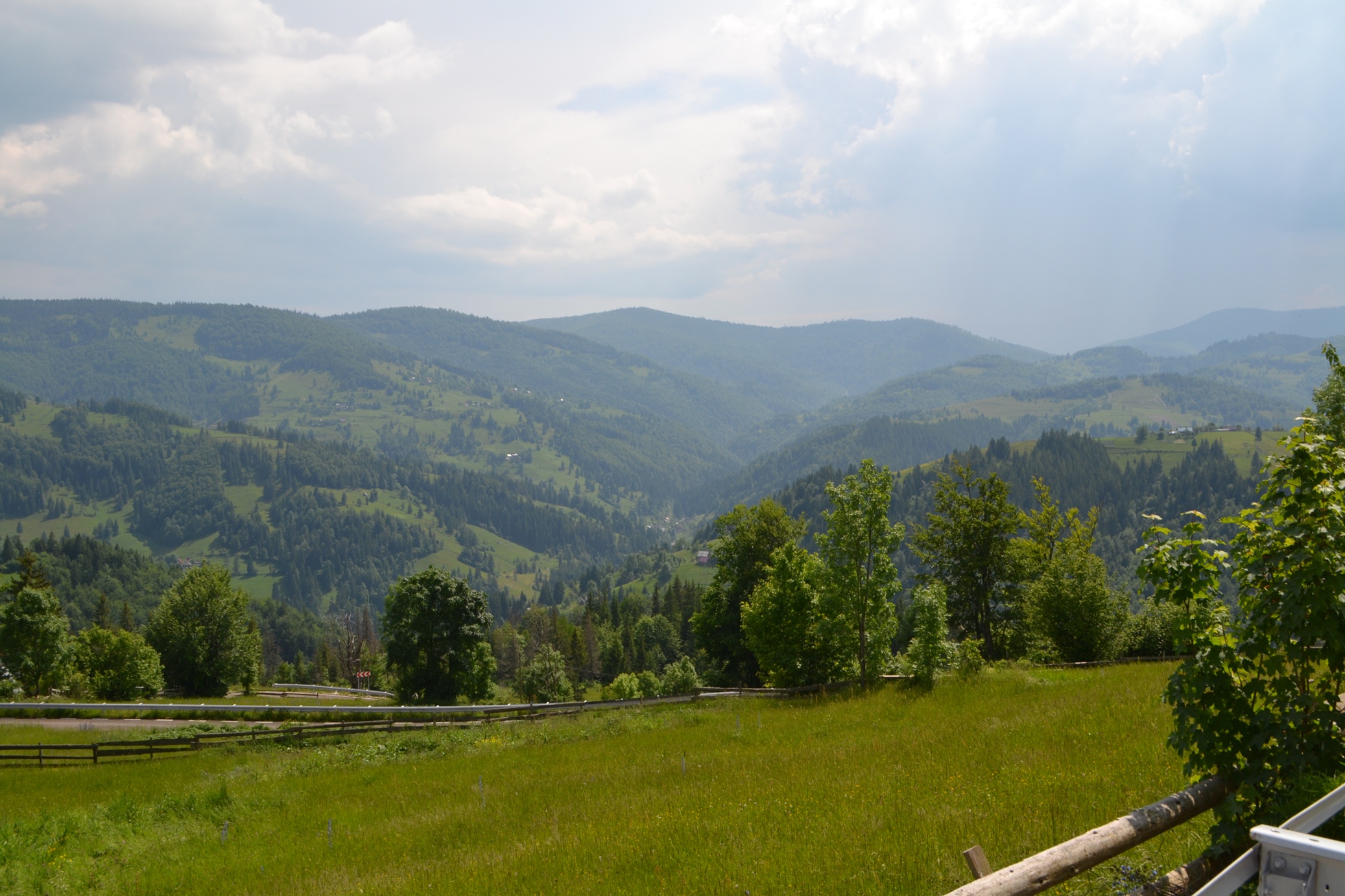
1. The Carpathian Mountains: surrounded from all directions by Carpathians, drained by sparkling rivers which makes it both a pleasant place for a relaxing holiday and an exciting place for adventure-seeking travelers. Transylvania (meaning… the land beyond the forest) offers a variety of choices for mountain enthusiasts; exploring these mountains by foot, by bicycle or by car could be an unforgettable experience. By hiking, trekking even horse-riding on these mountains (one of the last wilderness of Europe) you can enjoy a charming scenery: gorges, lakes, peaks, old remote villages, caves, national parks, the fauna and floristic heritage – are there … waiting to be discover.
2. Fortified Churches dating back to 13-16th centuries are an example of a great variety of architectural styles. You can walk along the walls of the Saxon fortified churches and climb their towers, explore the churches and villages and taste the medieval atmosphere which surrounds these wonderful places.
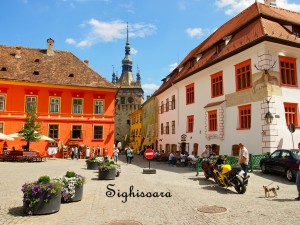
3. Medieval towns such as Sibiu, Sighisoara, Brasov and many more are just a few reasons to taste an urban medieval experience; their interesting history and architecture, narrow streets, charming plazas and churches attract an increasing number of tourists.
4. Transylvanians are warm, honest and hardworking, happy to share with you a local meal or to have a pleasant conversation, to guide you to the local points of interest and even offer a local spirit.
5. Culture and traditions: you can find them in remote villages, in museums and in our way of living; just listen to a “doina”, a “Csárdás” and you will understand why we live and die, why we love our land and ancestors; you will find a cultural mix between Romanians, Hungarians and other small minorities living in harmony, peace and trying to preserve traditions.
6. Local cuisine and local drinks… try them whenever possible, taste the real Transylvania not just in ethnic restaurants but even in peasant households; they work hard for every piece of food and use traditional methods and recipes.
In the following posts I will try to describe some of my experiences in this wonderful part of the world, to promote sustainable tourism and an authentic image of TRANSYLVANIA.
So …. WHY TRANSYLVANIA ???? … why you should spend few days of your life in these freaky ( by his name ) land ?
Every time I spent some time with a foreigner and the discussion came to my birthplace ( which of course is Transylvania) the feedback I received from my interlocutor was at least a big surprise that a place called TRANSYLVANIA even exist and after few beers everybody wanted to have some pictures with a person who is born in the land of Dracula….that doesn’t mean that those people is ignorant …it’s just Bram Stoker’s fault , that we , the Transylvanians , live in a rather mythical place like Transylvania.
For my first post here , on this blog , i do not want to sell the idea of Transylvania by my own words but by some interesting documentaries made by Charlie Ottley ( one of many British people who love this lands)
Attention !!! after three hours of Transylvania and Romania you might be overwhelm 🙂
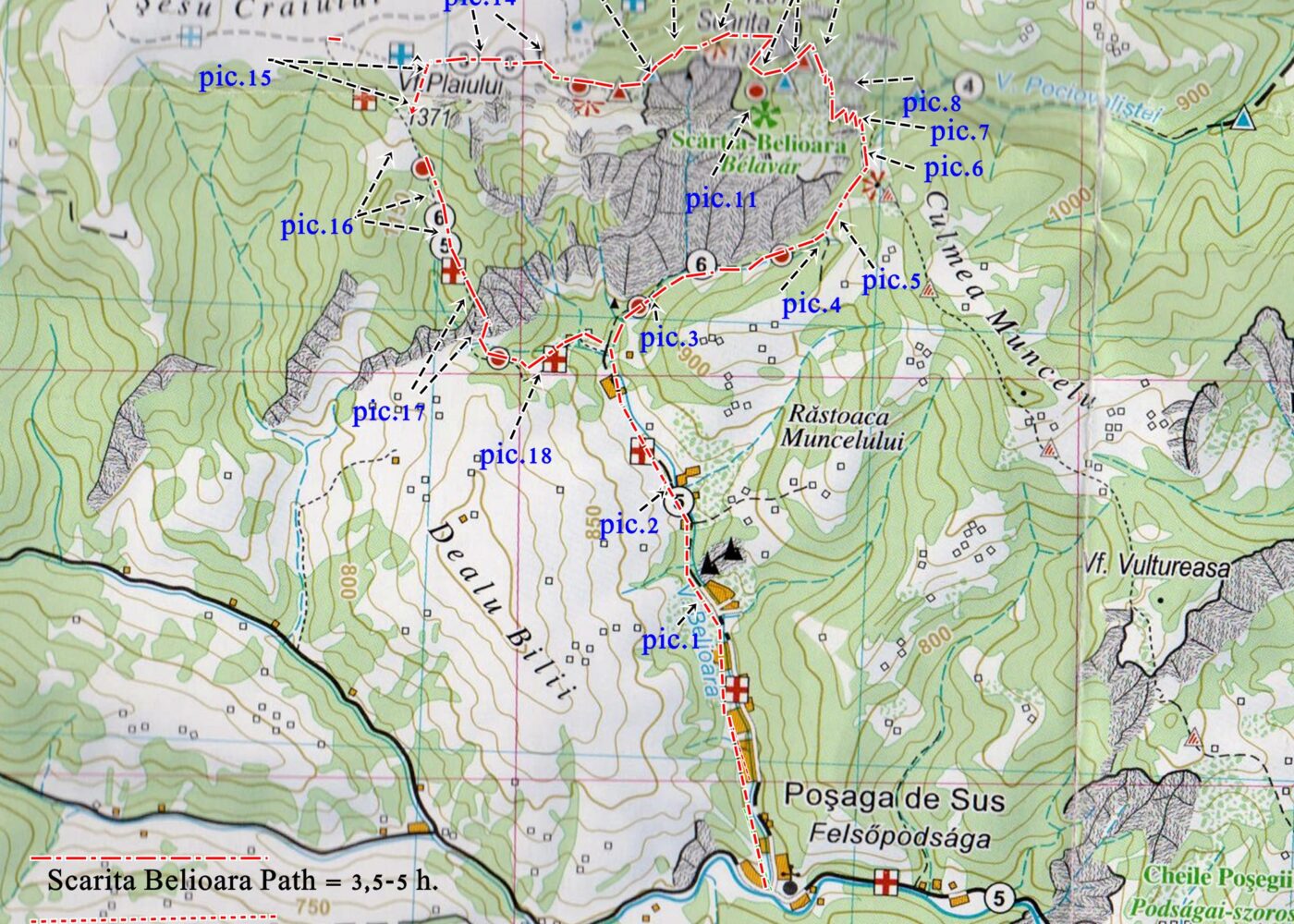
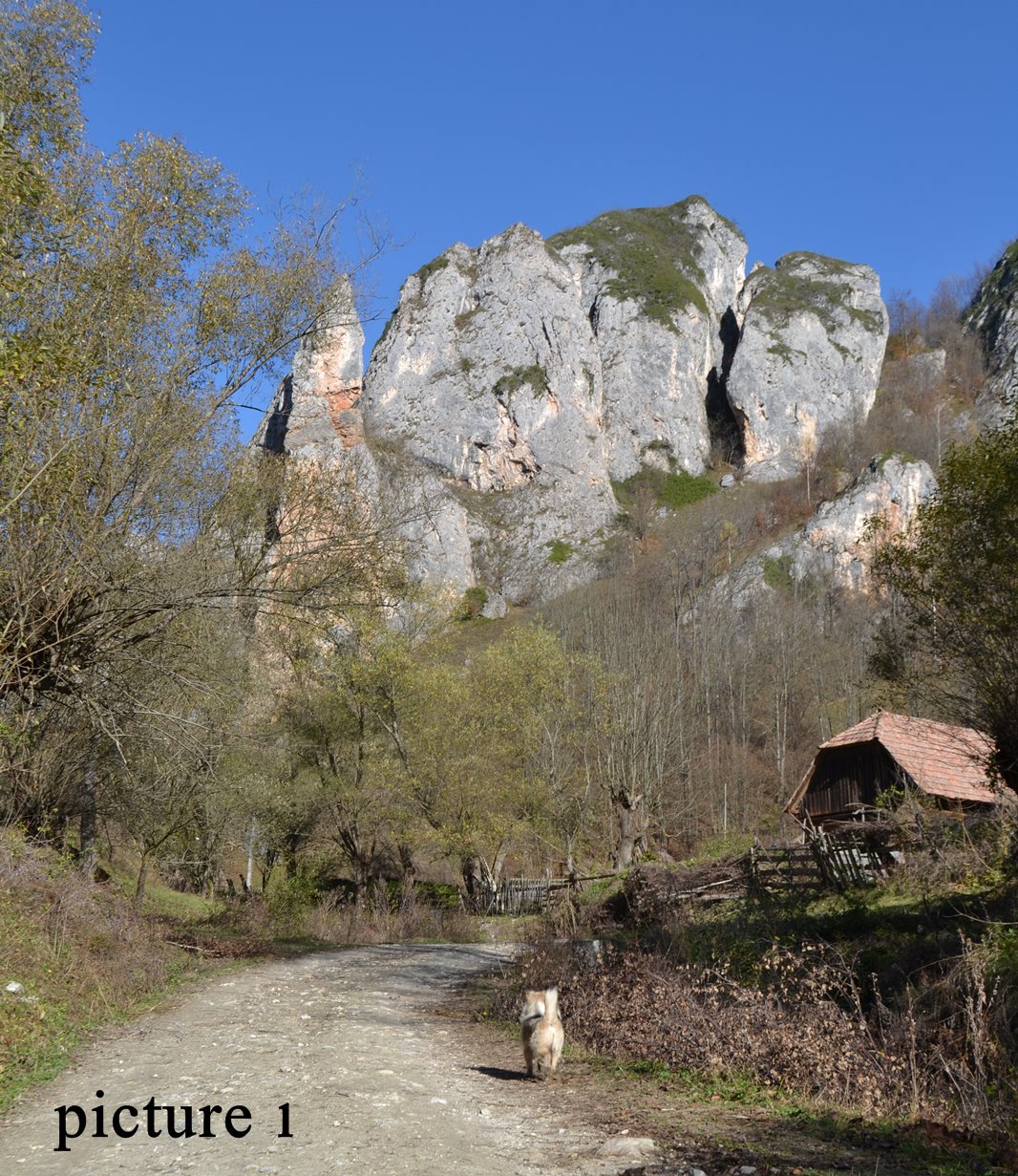
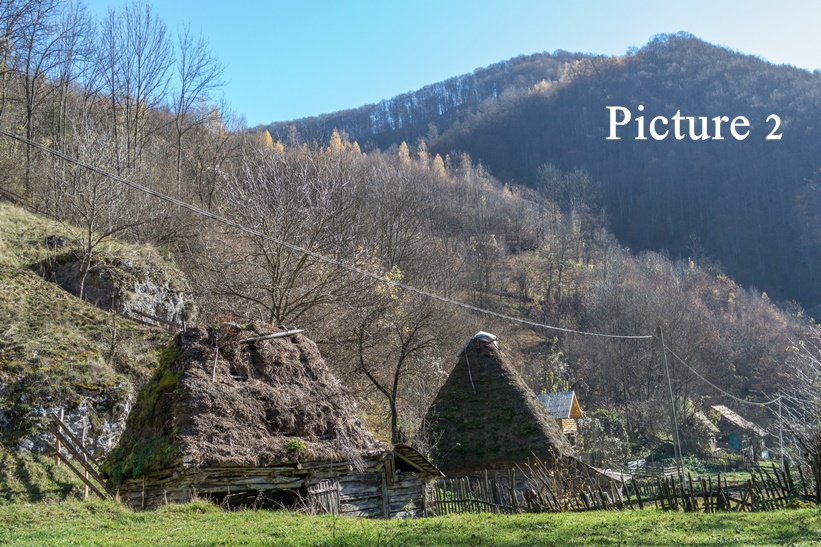
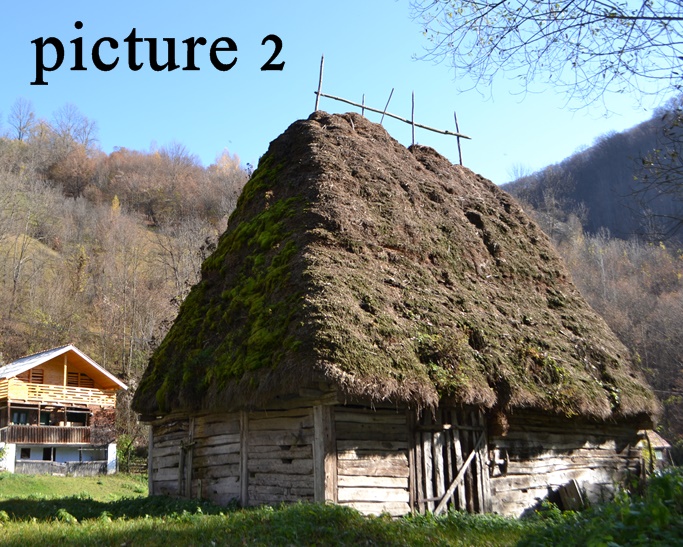
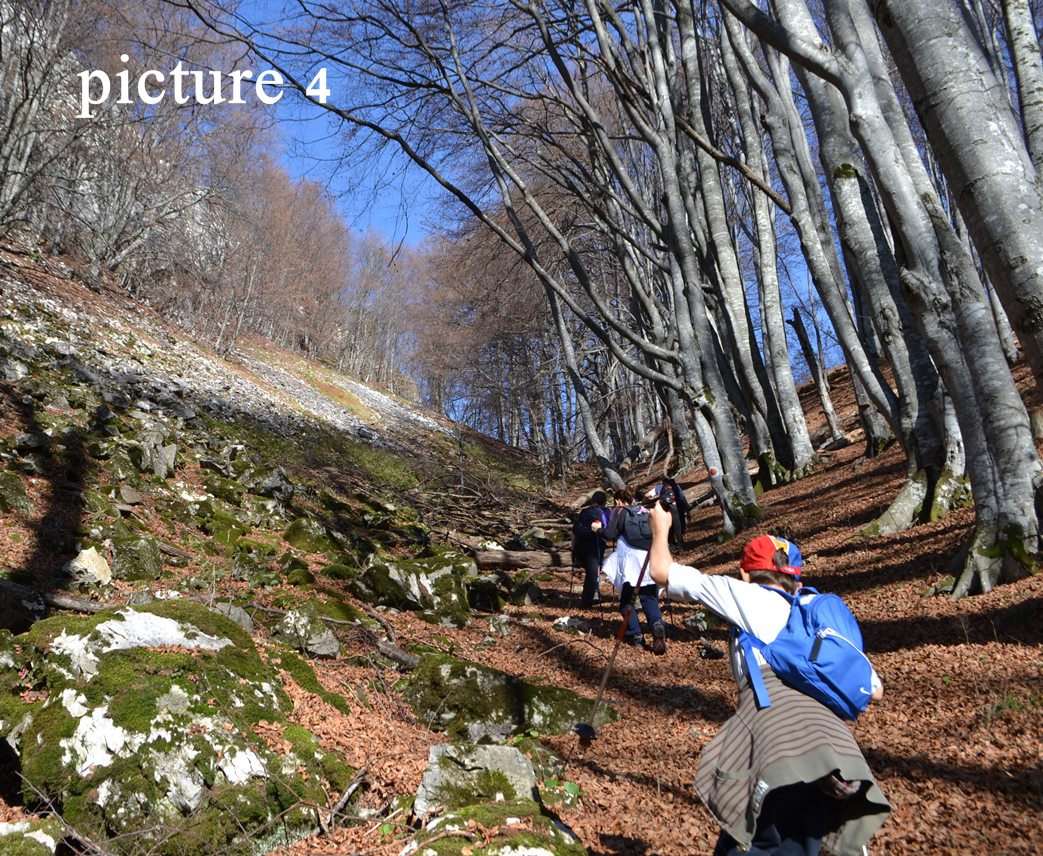
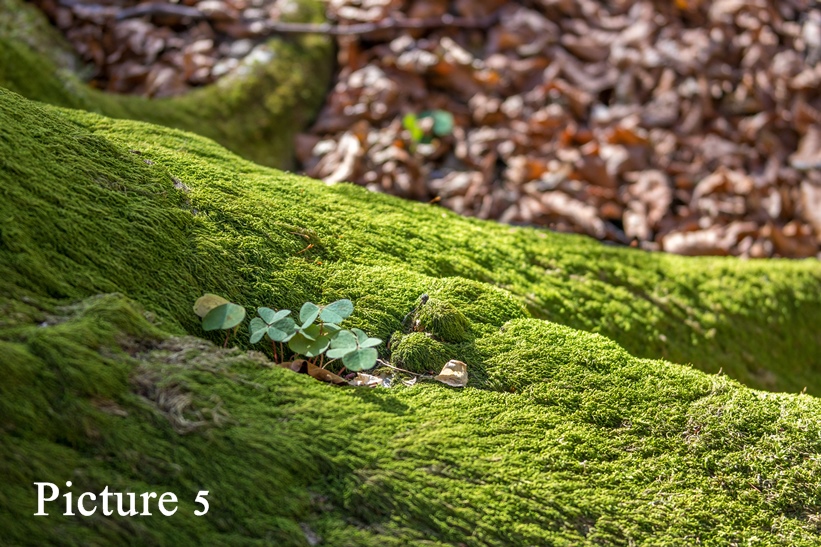
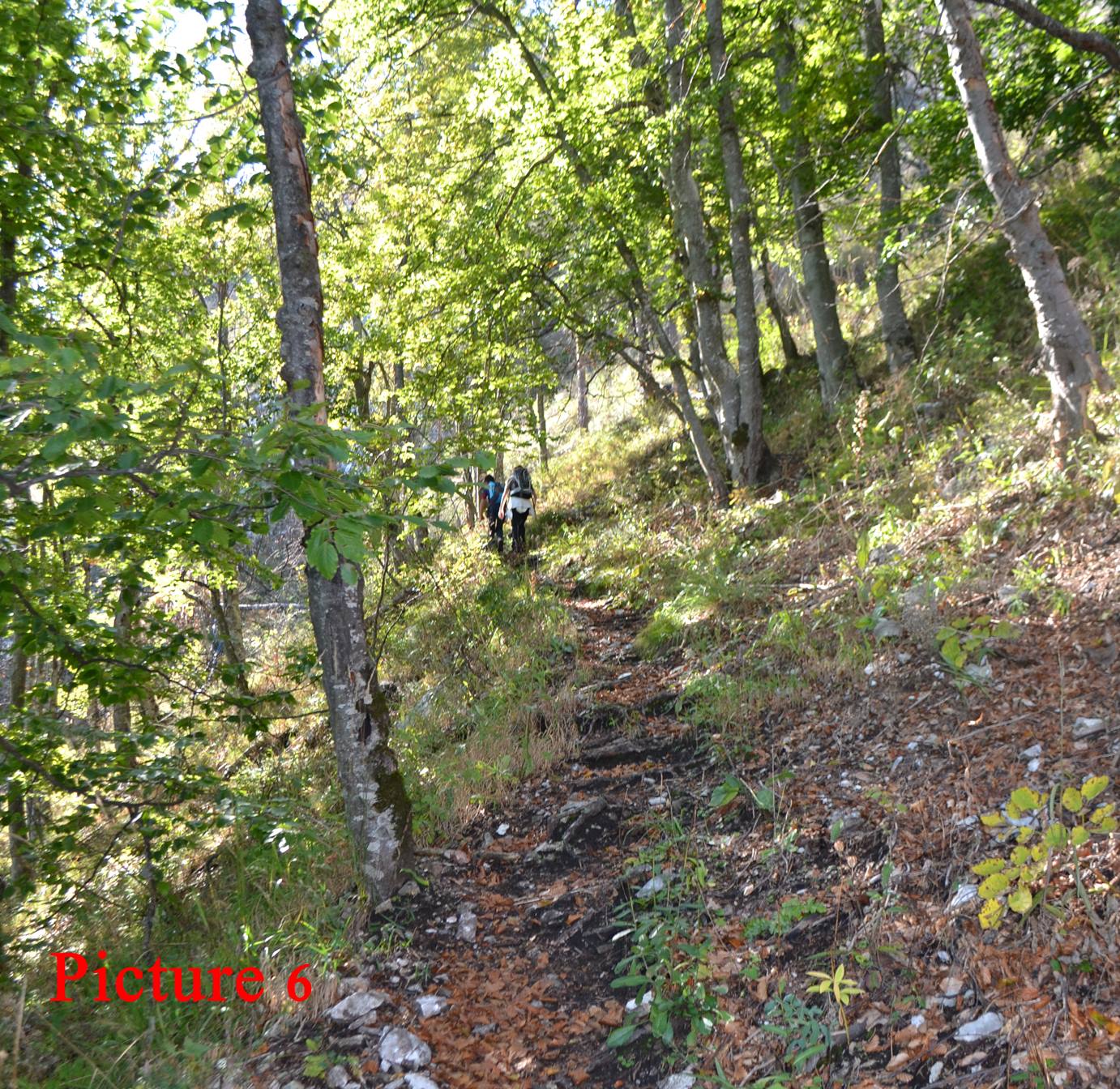
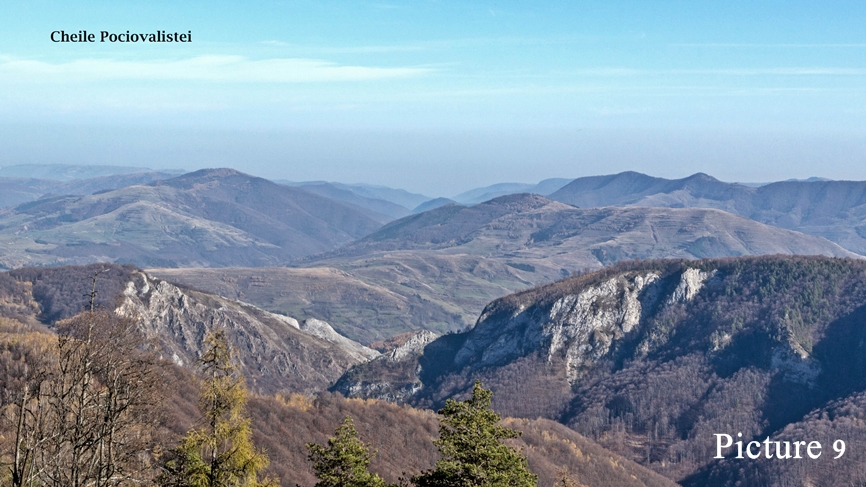
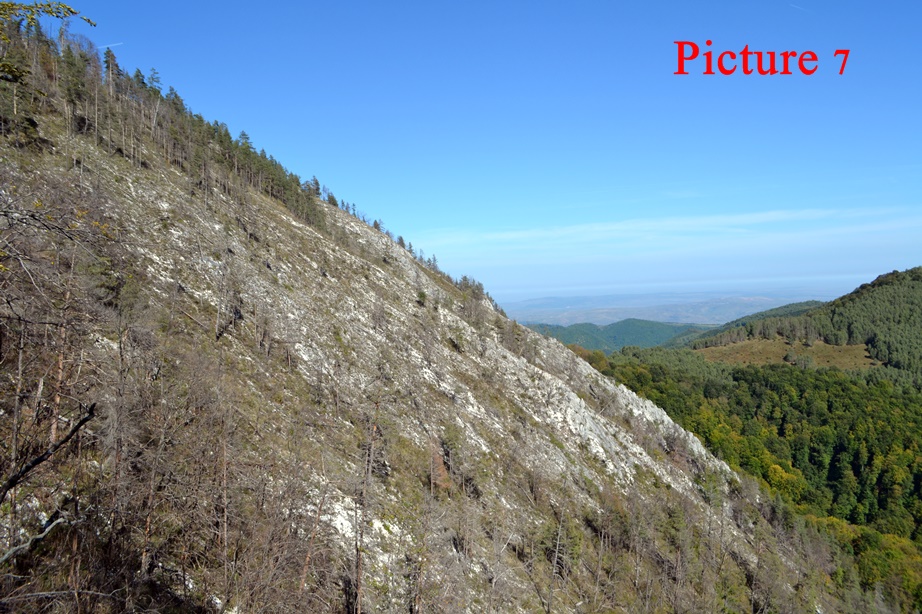
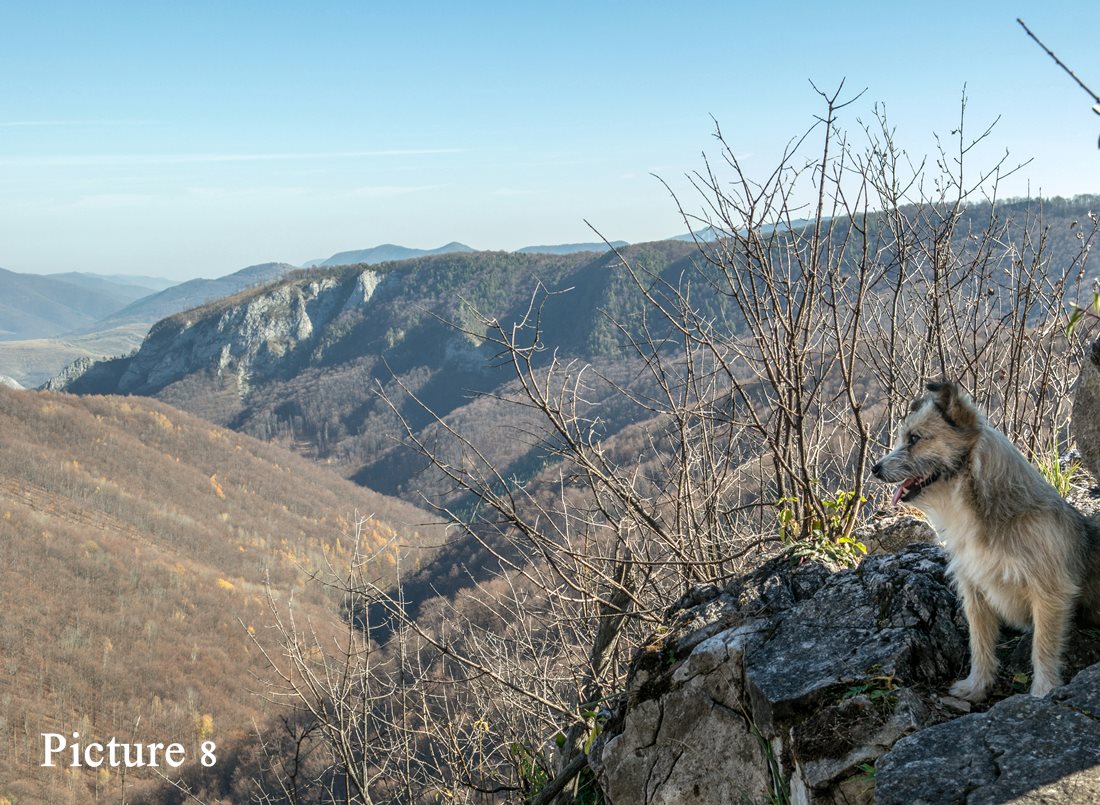
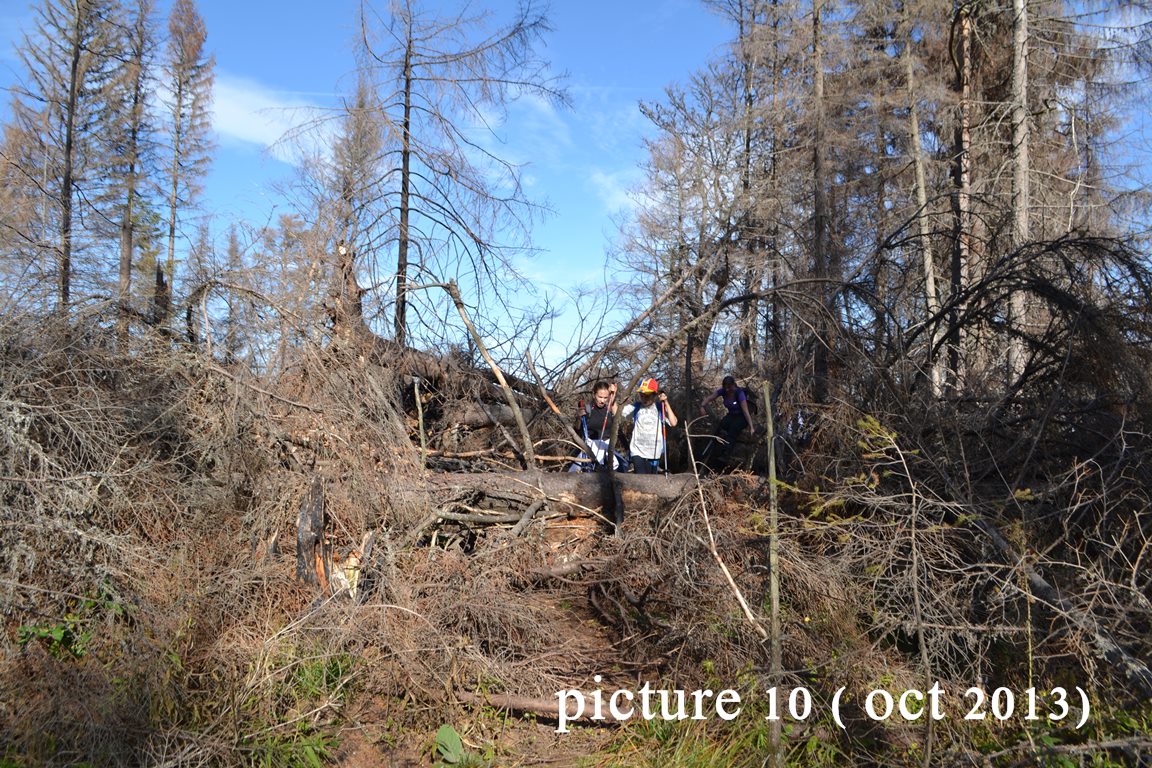
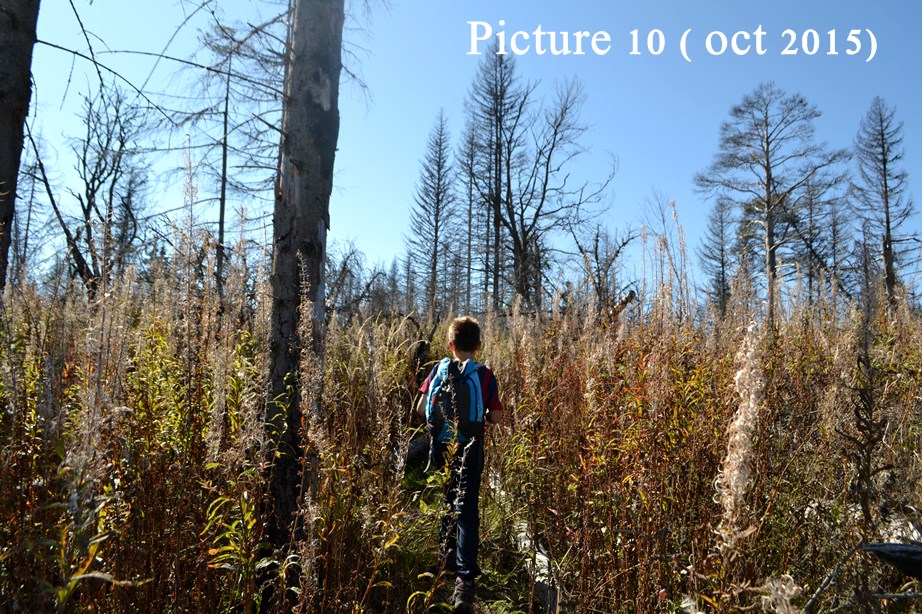
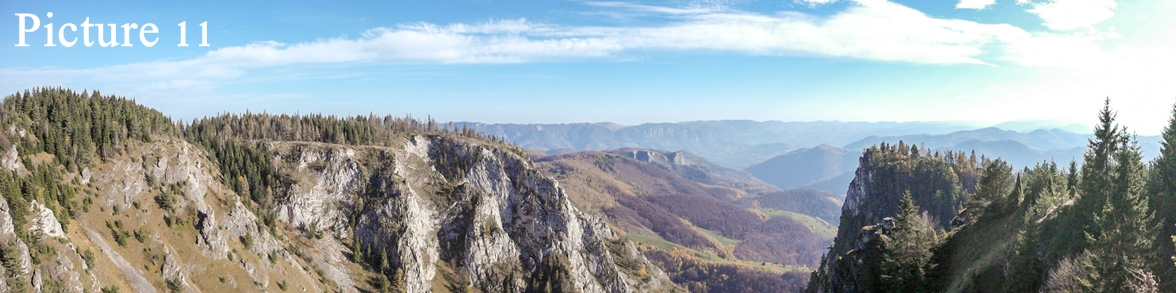
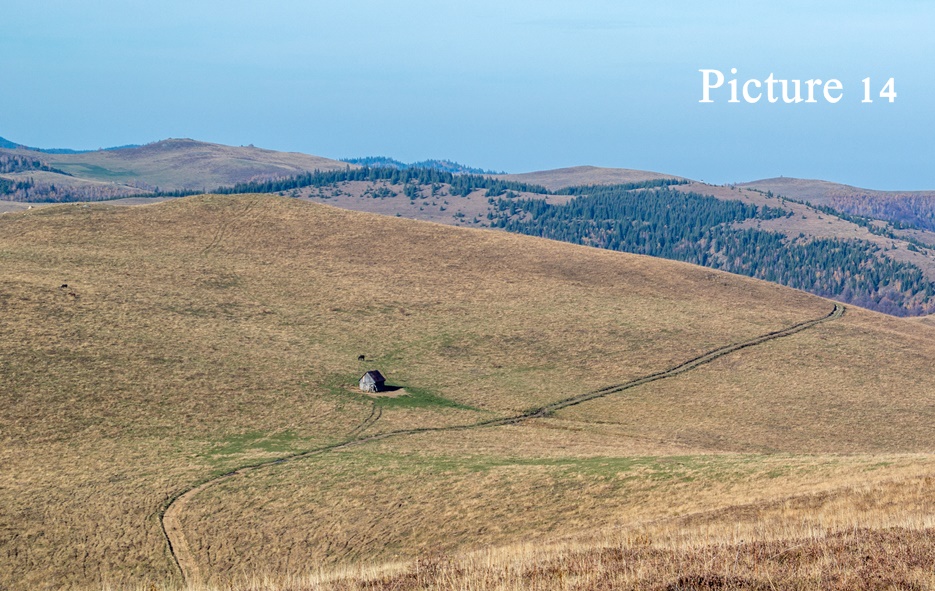
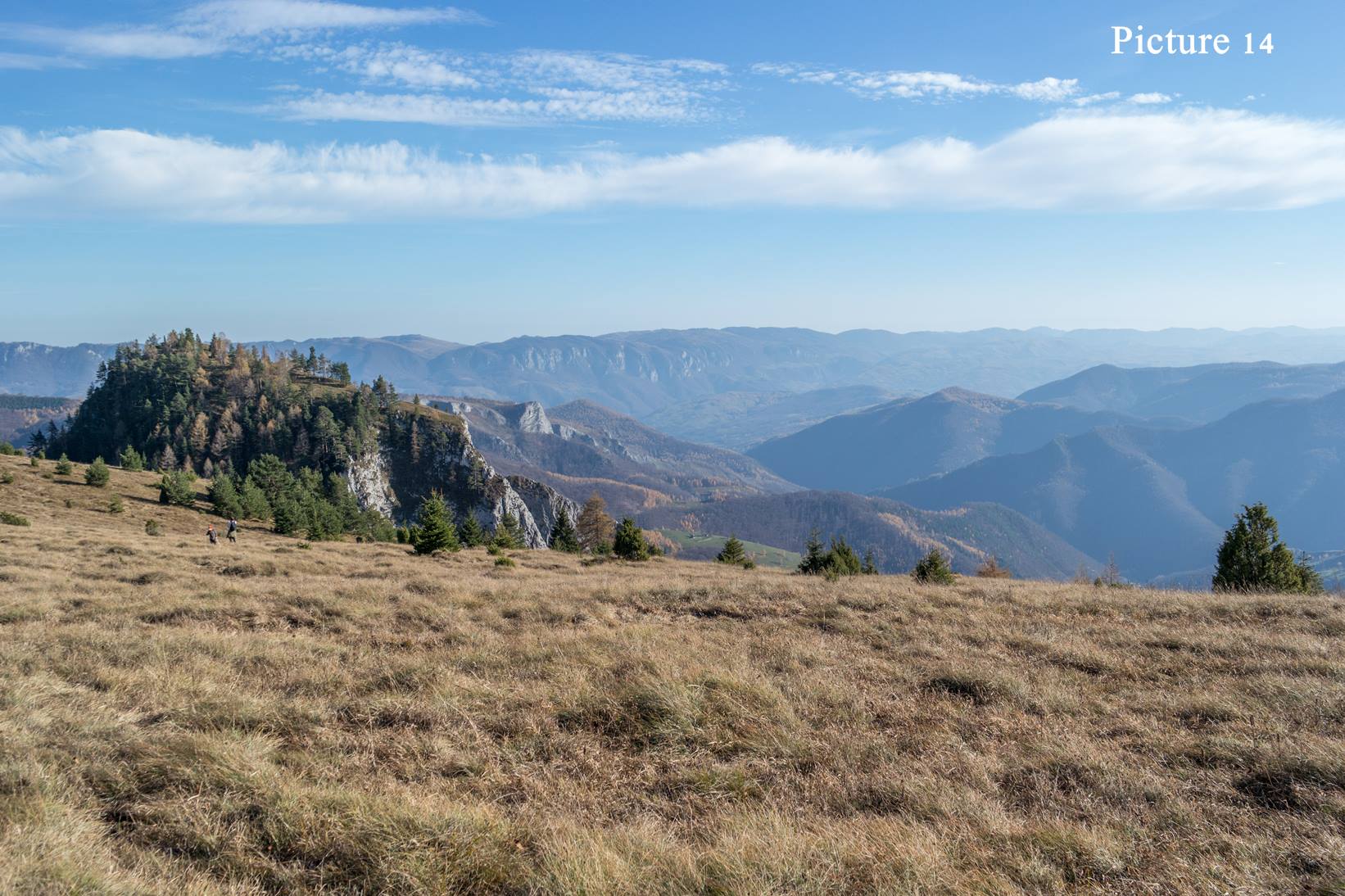
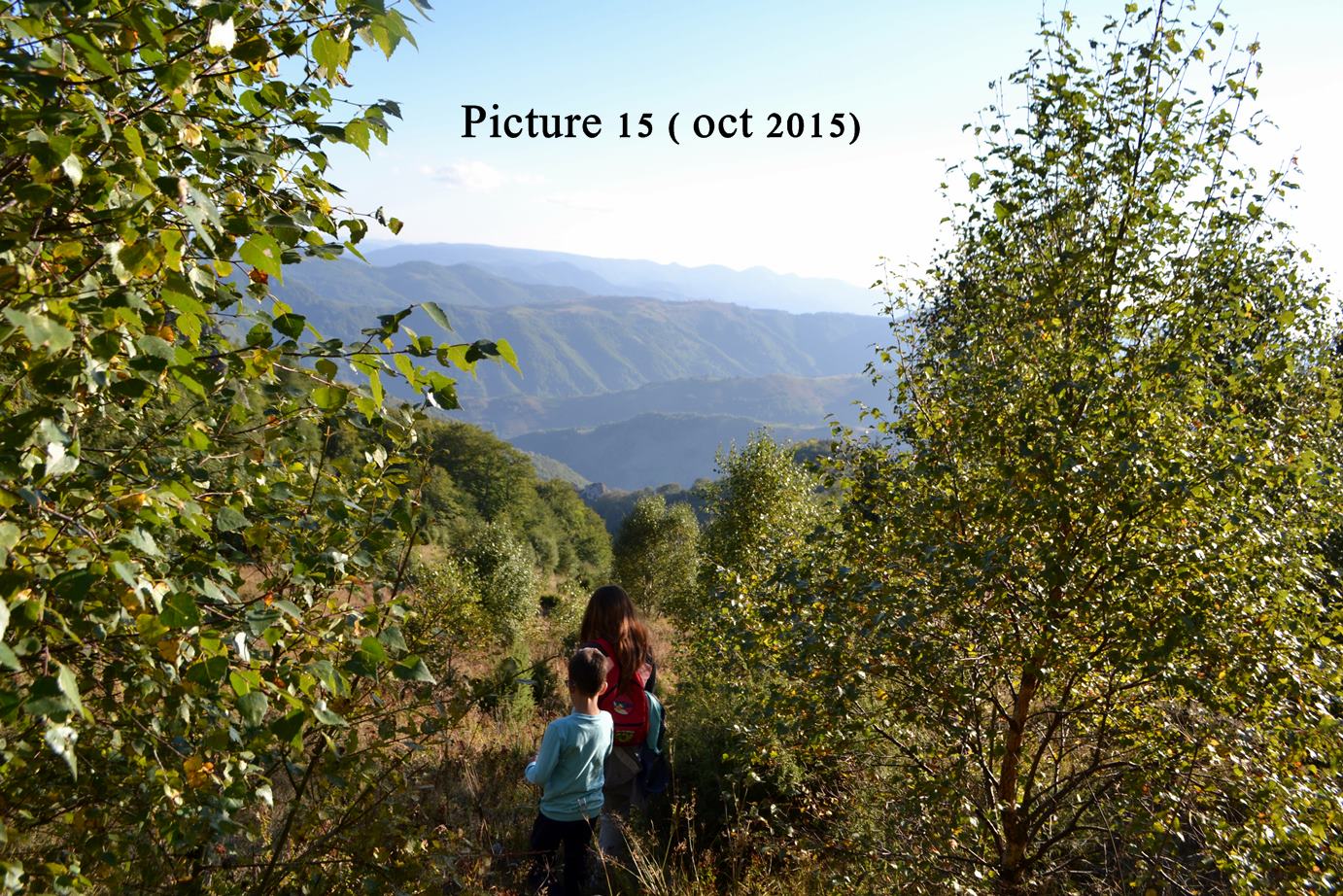
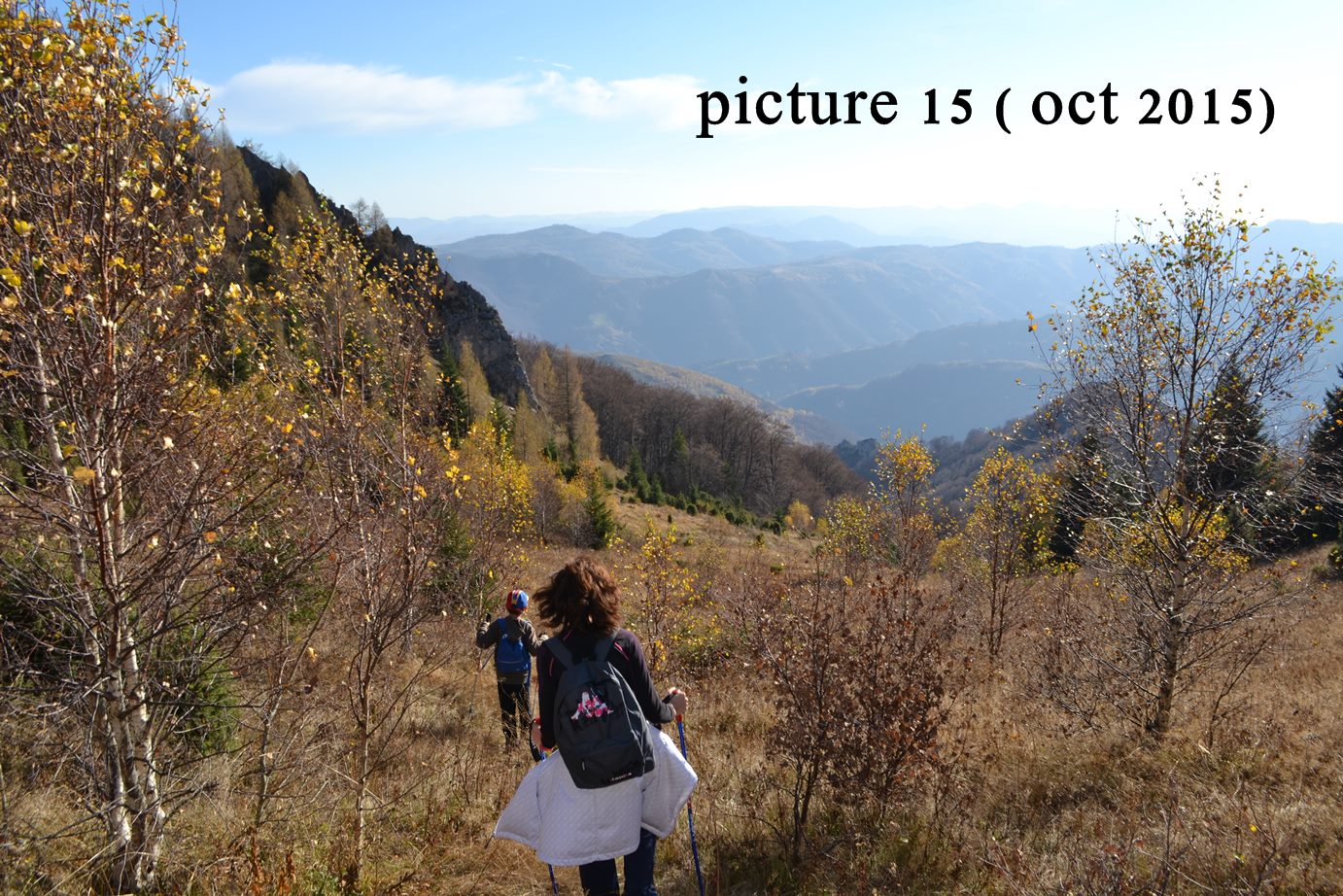
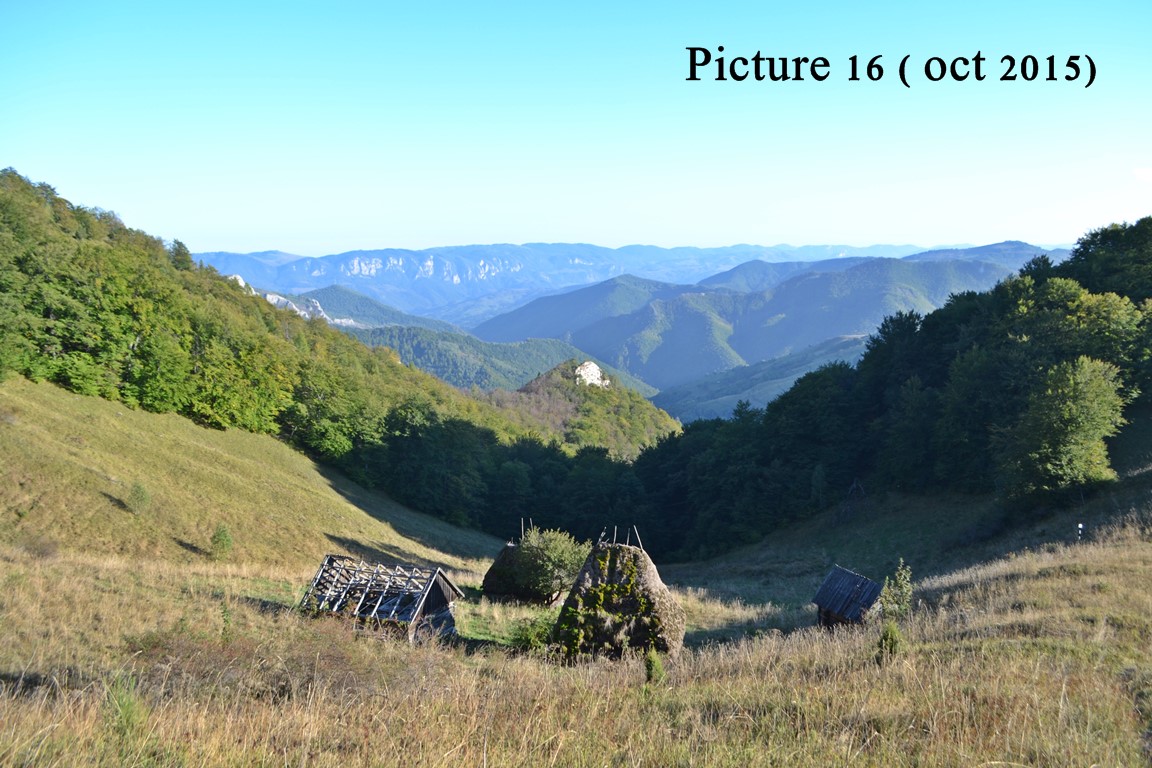
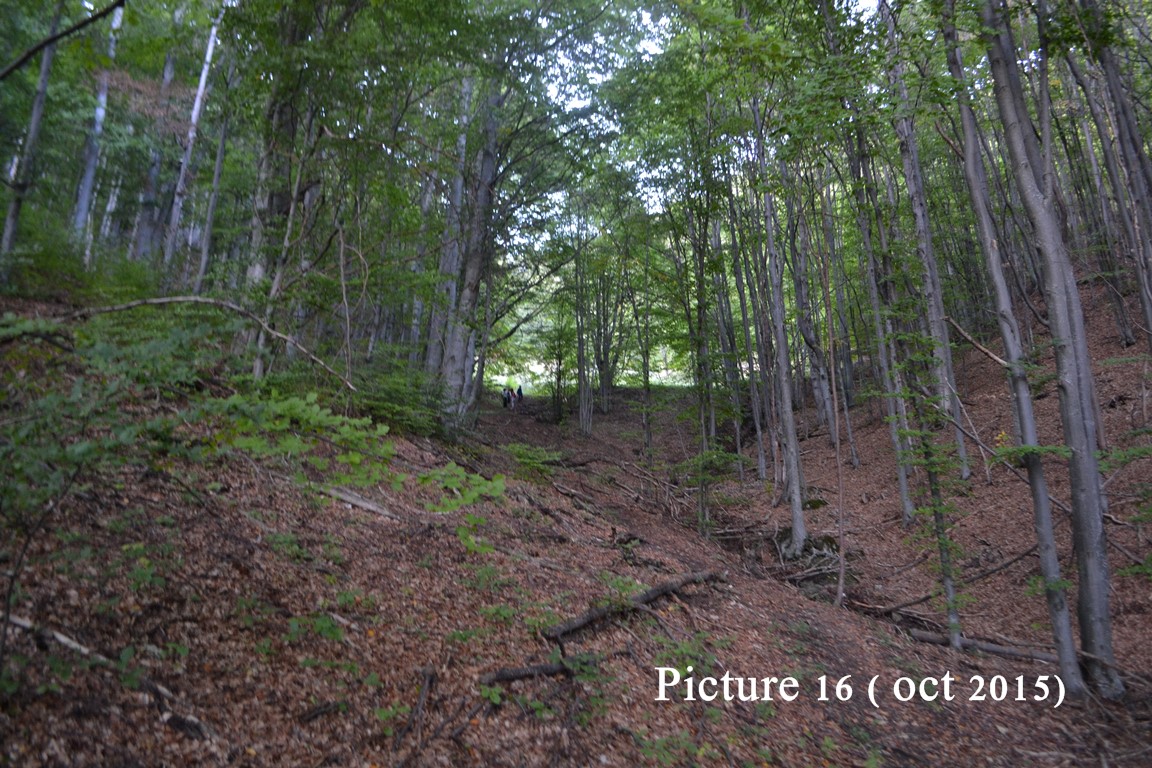
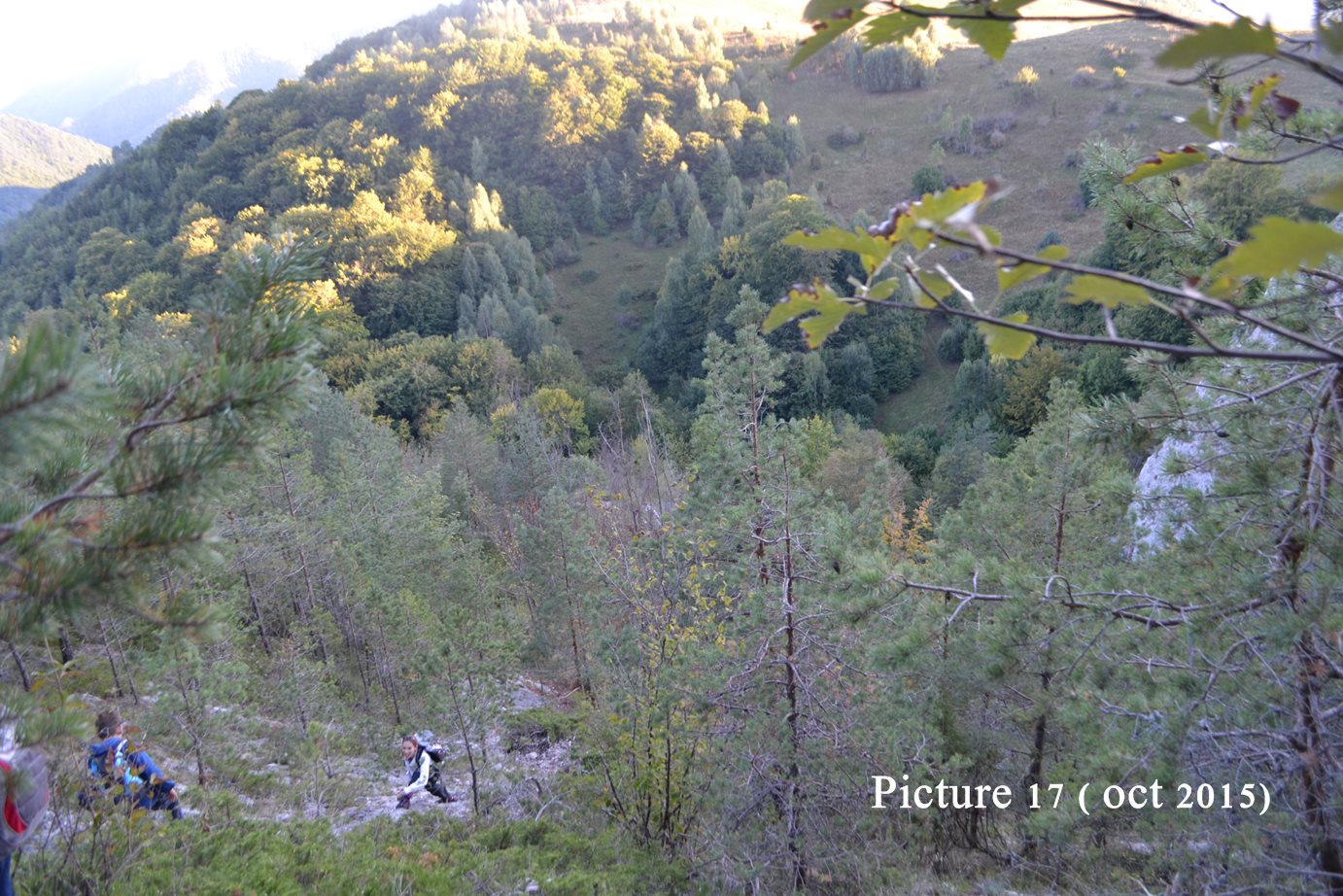
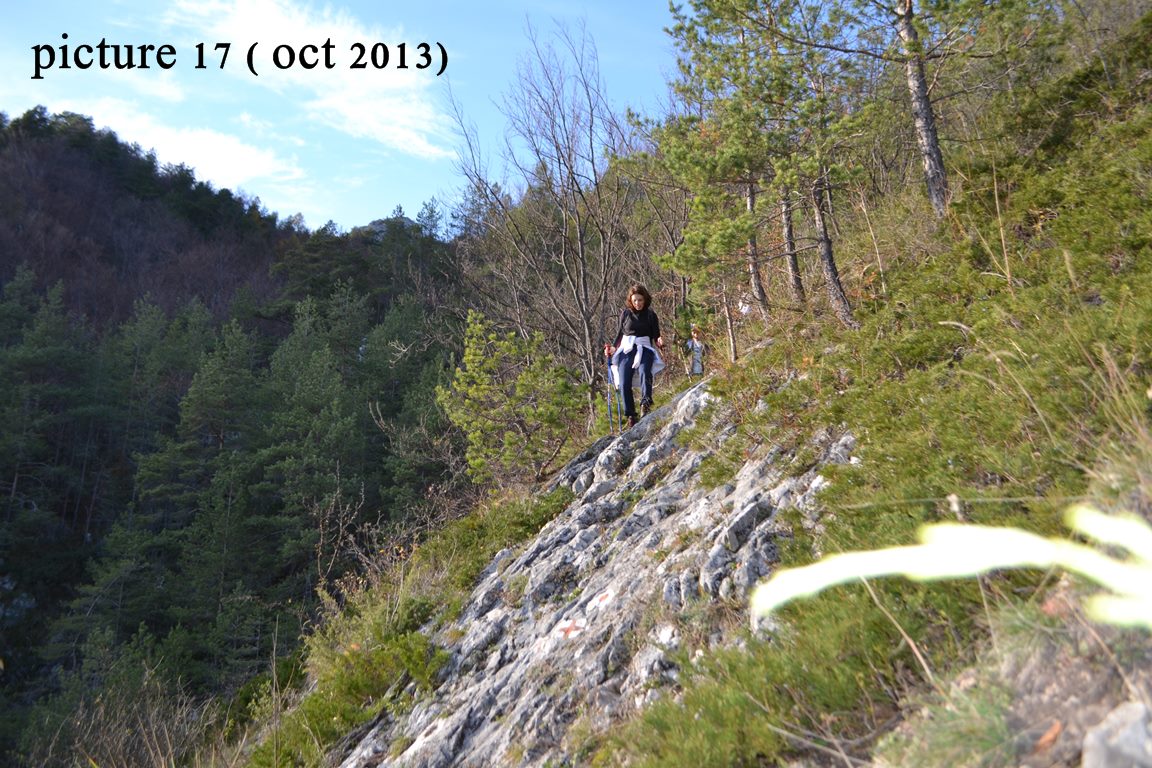
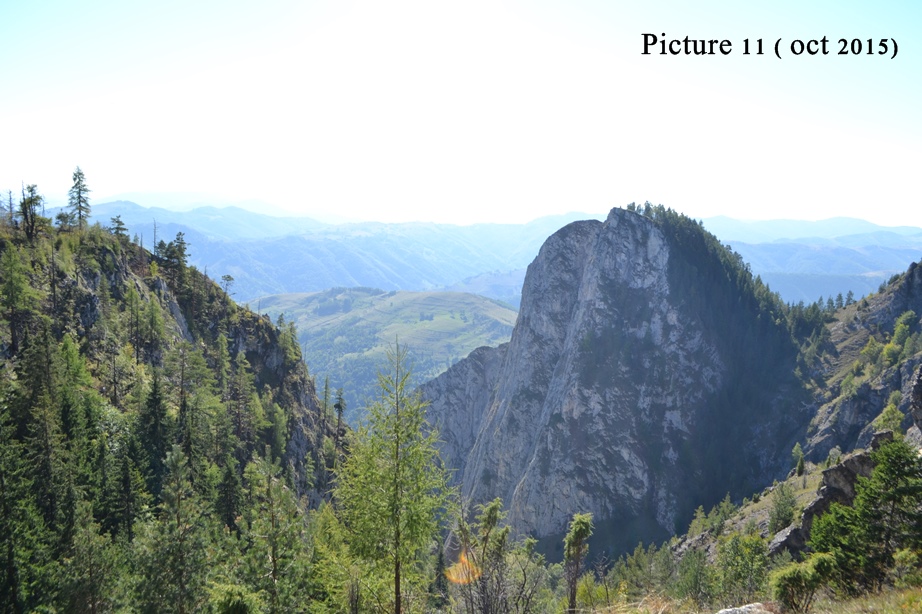
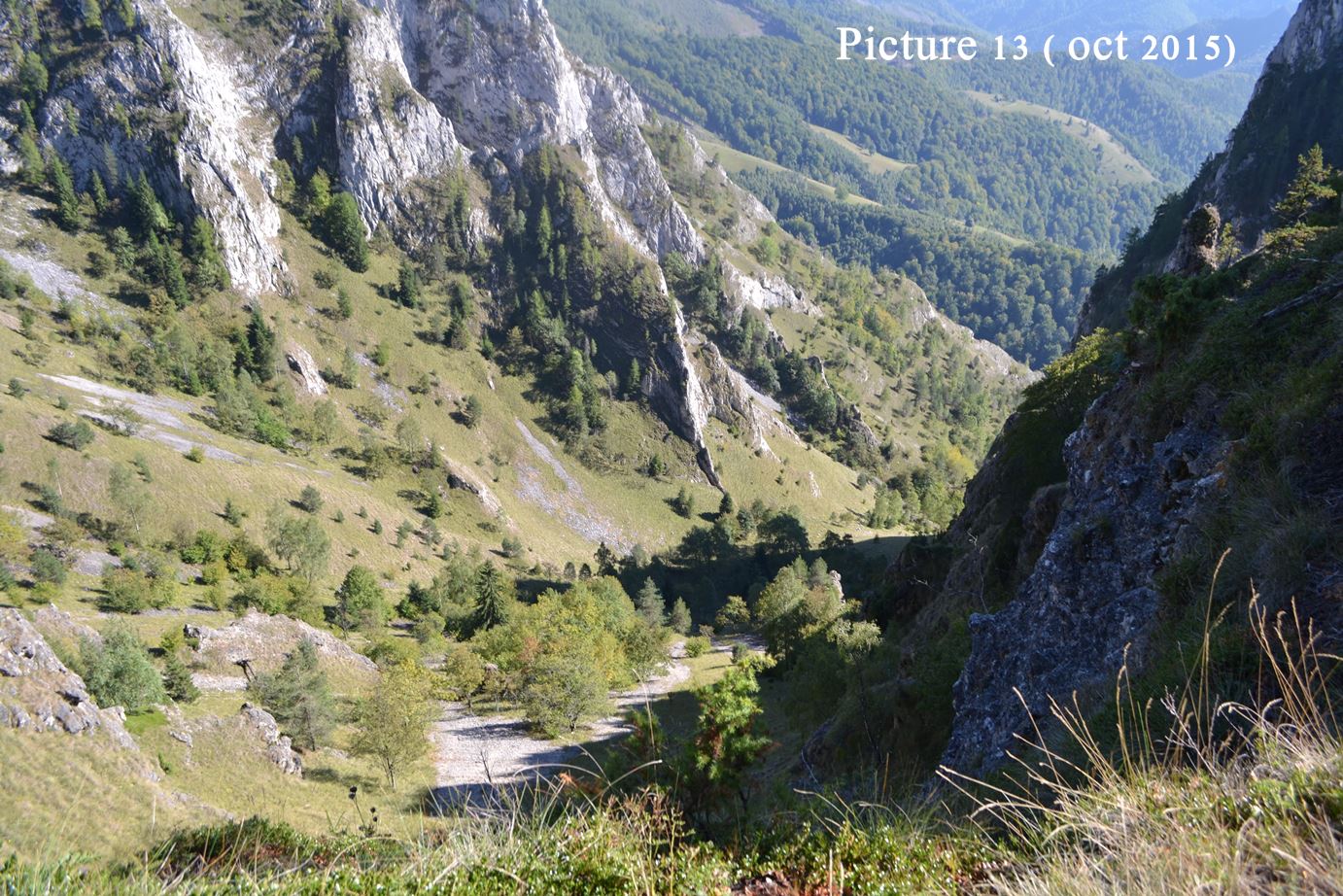
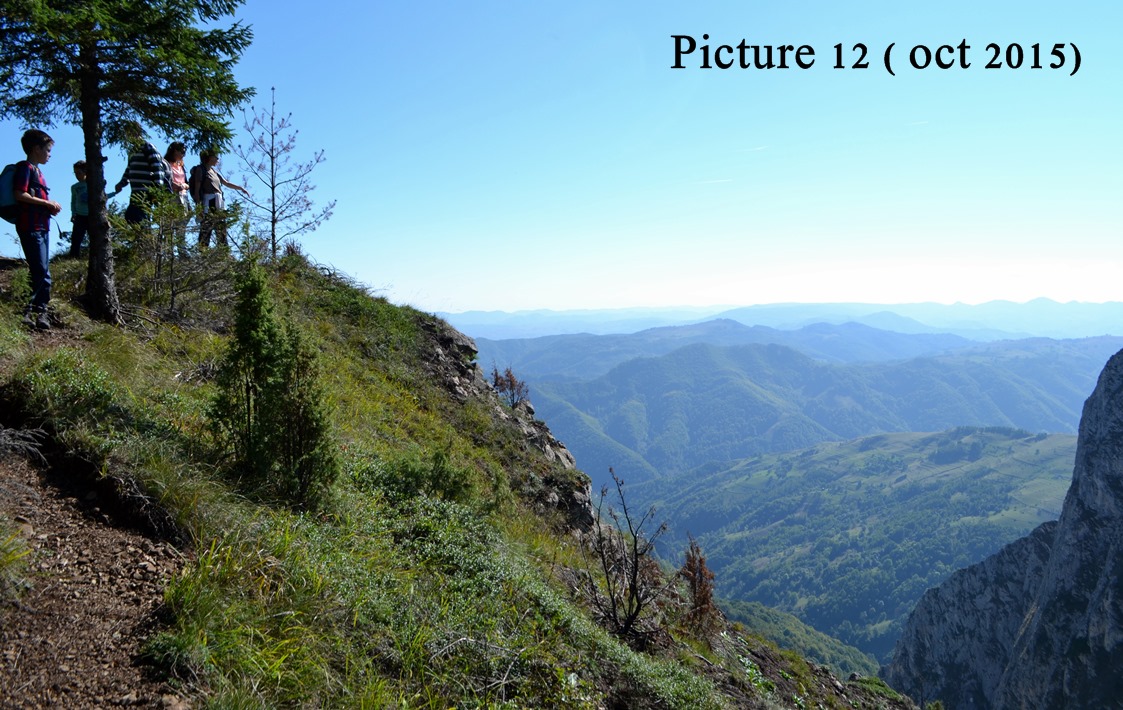
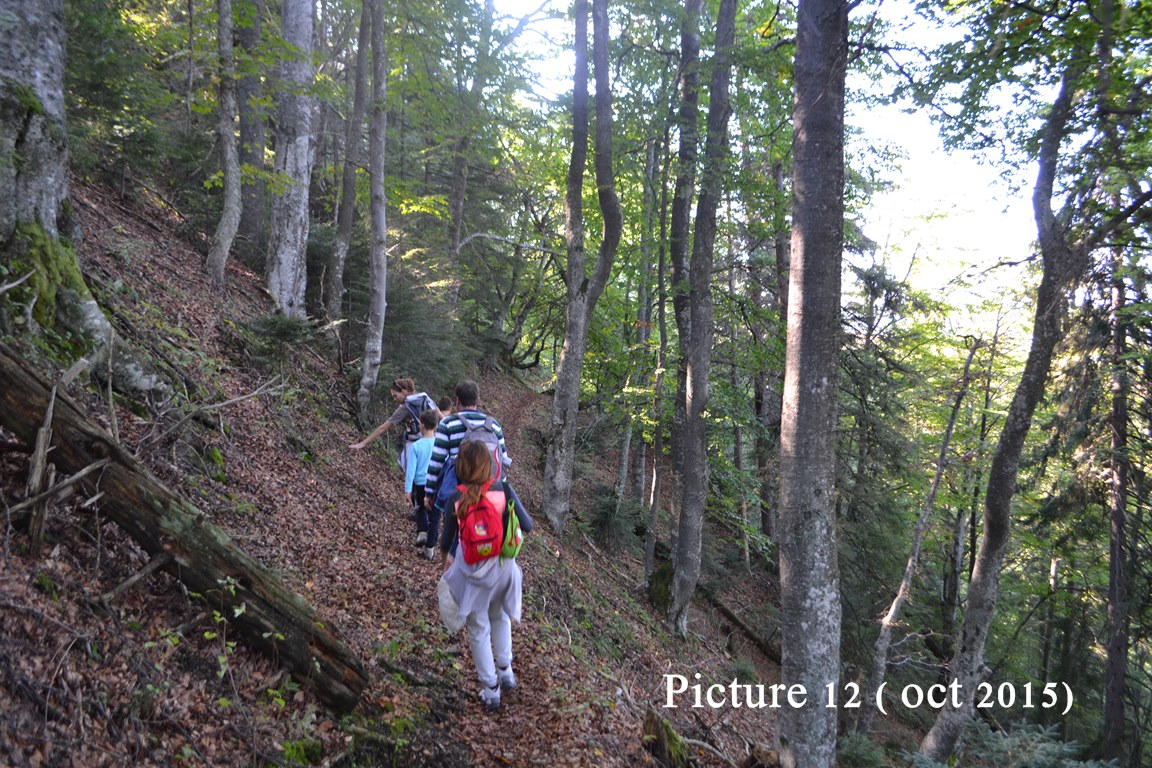
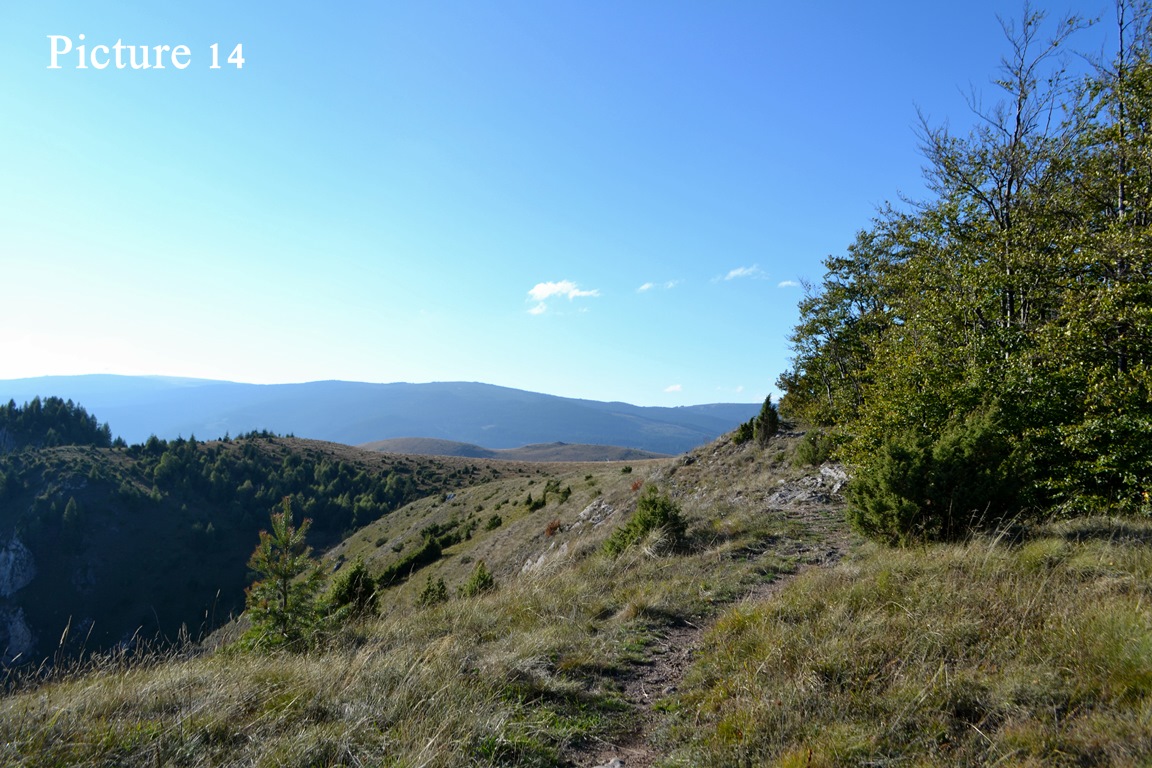
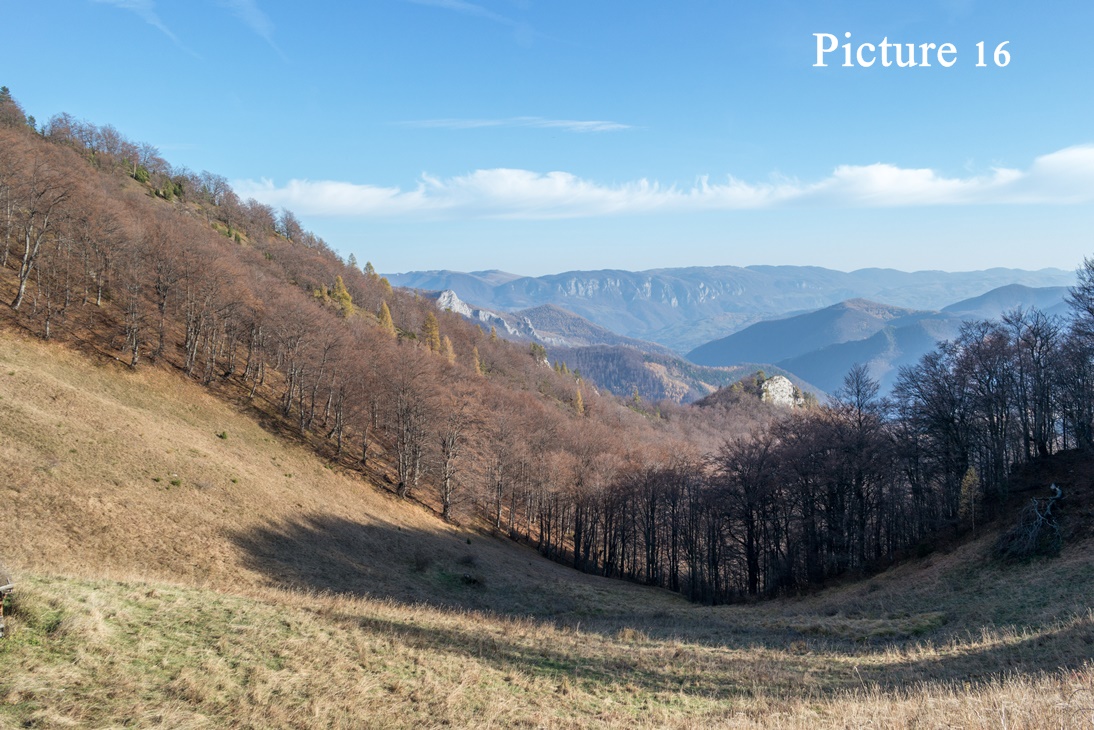
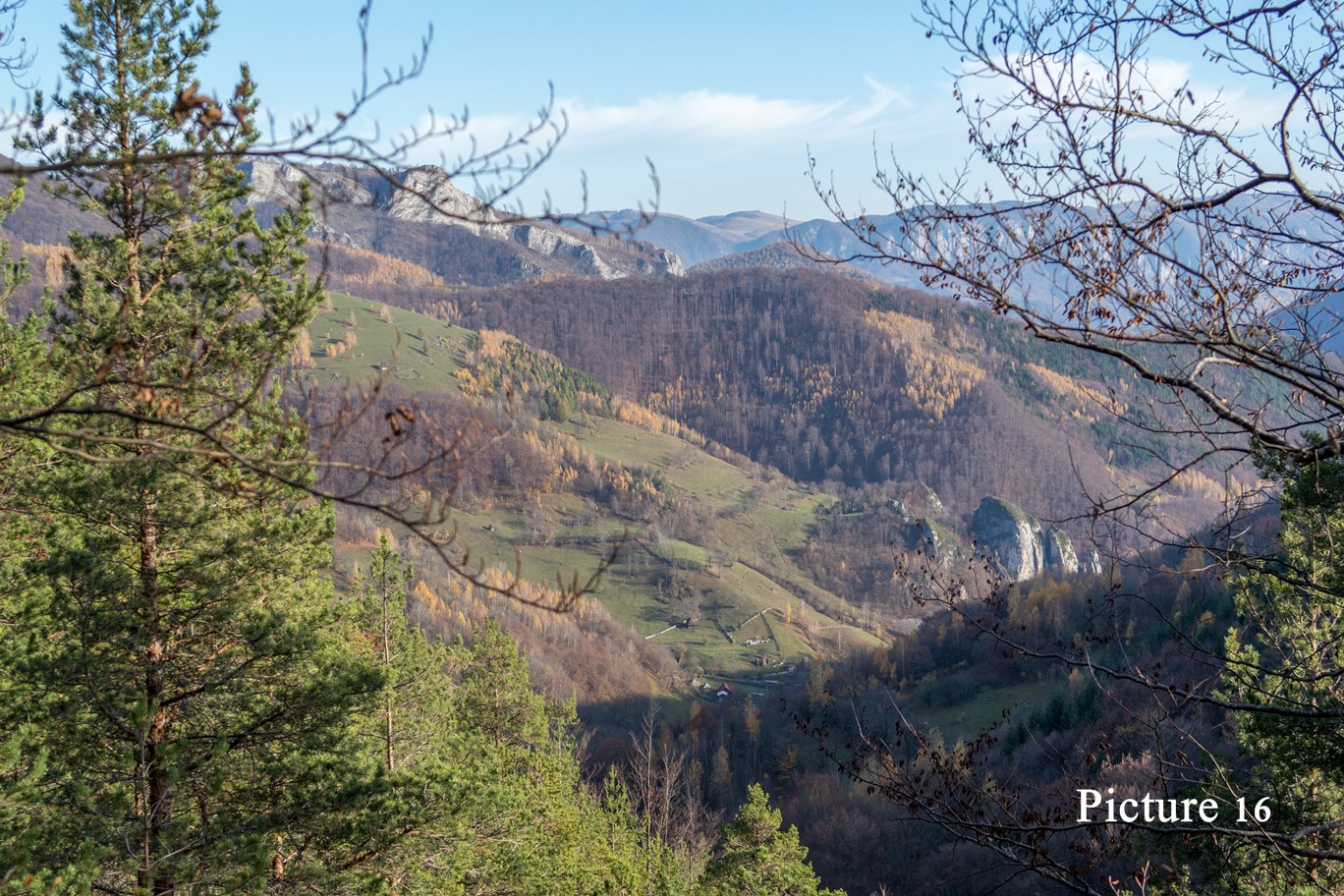
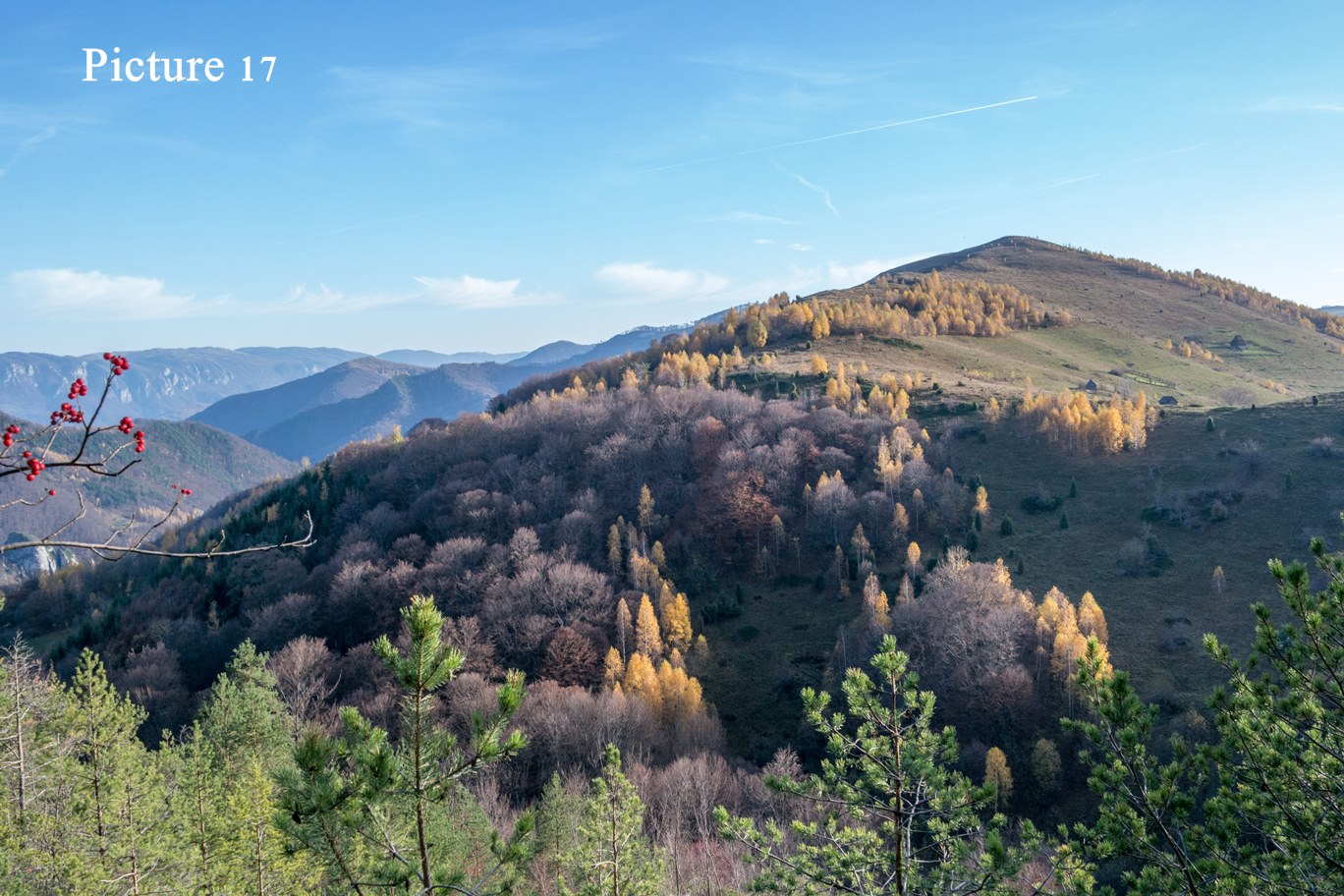
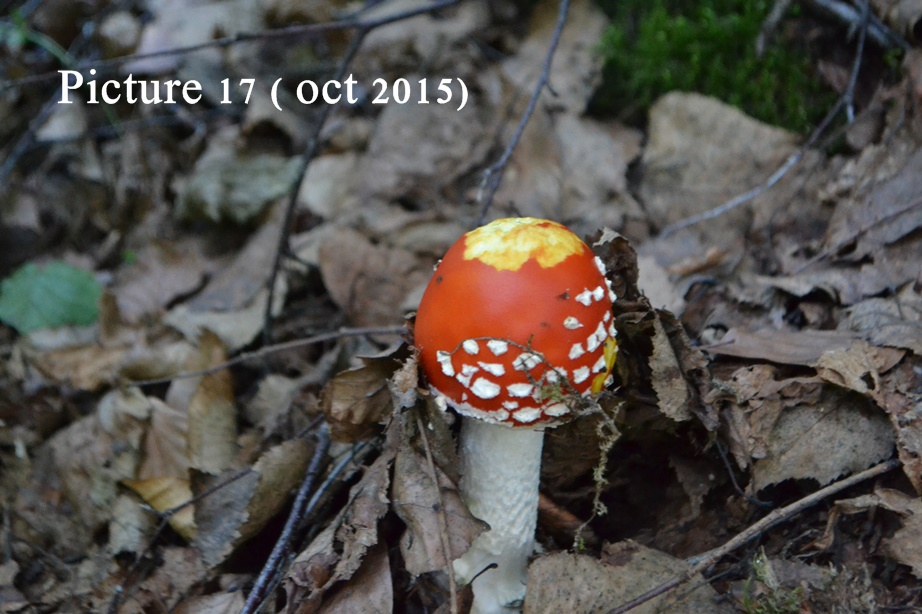
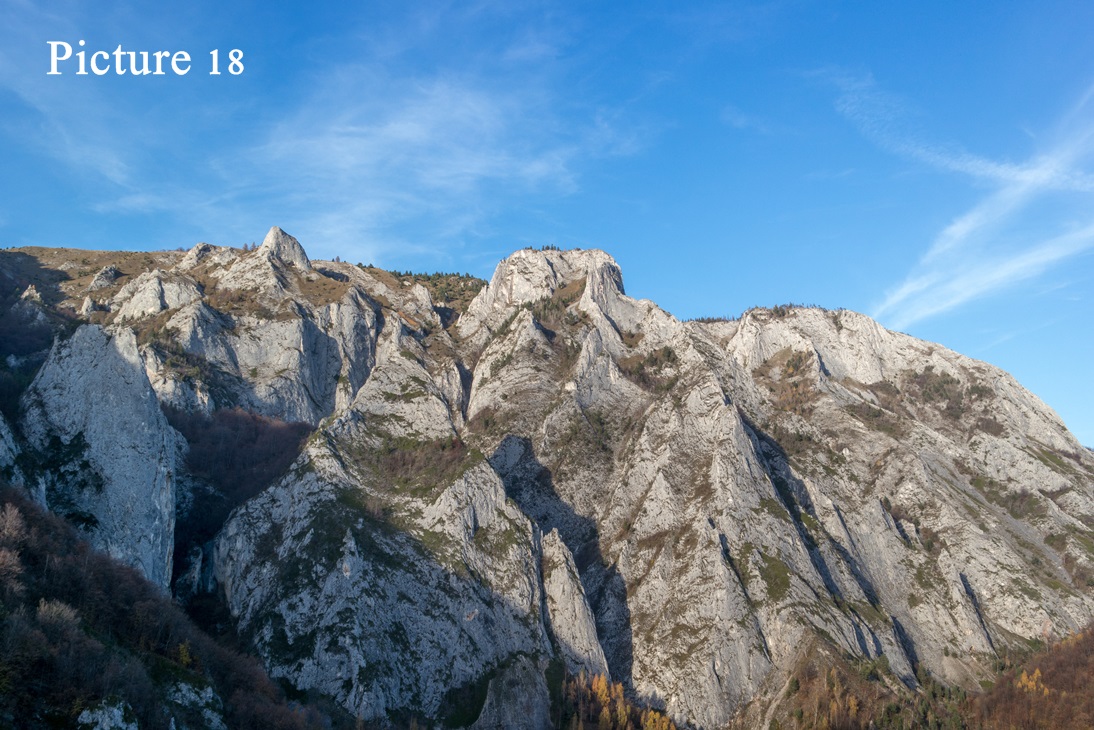
One of the most impressive hike you can do in Apuseni Mountains is Scarita Belioara Path; I will let the picture to speak instead of giving details by writing
The map is marked with the places were the pictures was made ( all the pictures was made in 2013 or 2015 – late and early October )
SAMSUNG CSC
I also have a clip that might open the appetite for this part of Carpathians
All you need is standard hiking equipment , a map as in the picture or on the smartphone , food , water and a photo camera ; transfer and assistance from Targu Mures , Sighisoara , Cluj etc. …available on request ; in the area there are some pensions and houses ( decent and cheap accommodation)
Maramures represents one of Transylvania’s incontestable attractions, and below I will try to present just a few of its highlights as seen and evaluated by me.
The access roads (July 2014) are of average quality: we came from the direction of Bistrita and the road, by its segments, is roughly like this:
Targu Mures – Bistrita: 90 km; approximately one hour and a half; a good quality road, recently modernized, busier on the Targu Mures – Reghin segment and quite deserted from Reghin to Bistrita, where you can choose the bypass route if you do not wish to visit the city of Bistrita.
Bistrita – Borsa: 95 km; approximately two hours; a road of relatively poor quality, patched, but which does not create major problems except in the town of Moisei and Borsa itself (where work is being done in places or where works have been abandoned); from what I saw while traveling toward Viseu de Sus, the road from Moisei to Sighetu Marmatiei is modernized and in very good condition.
On this route, we stopped twice to eat, and I recommend the options we chose to you as well: at the exit from Bistrita, the Morariu Guesthouse Restaurant (their website: here), and in the area of Fiad village, at Popasul Haiducilor (their website: here).
One of the main dilemmas you face when exploring an area is choosing the place where you set up your “headquarters”—namely, whether you opt for a single accommodation location or two; we opted for the town of Borsa at the Valcinet Guesthouse (their website isn’t great, but information can be found here), an inspired choice (my impressions regarding the location: here).
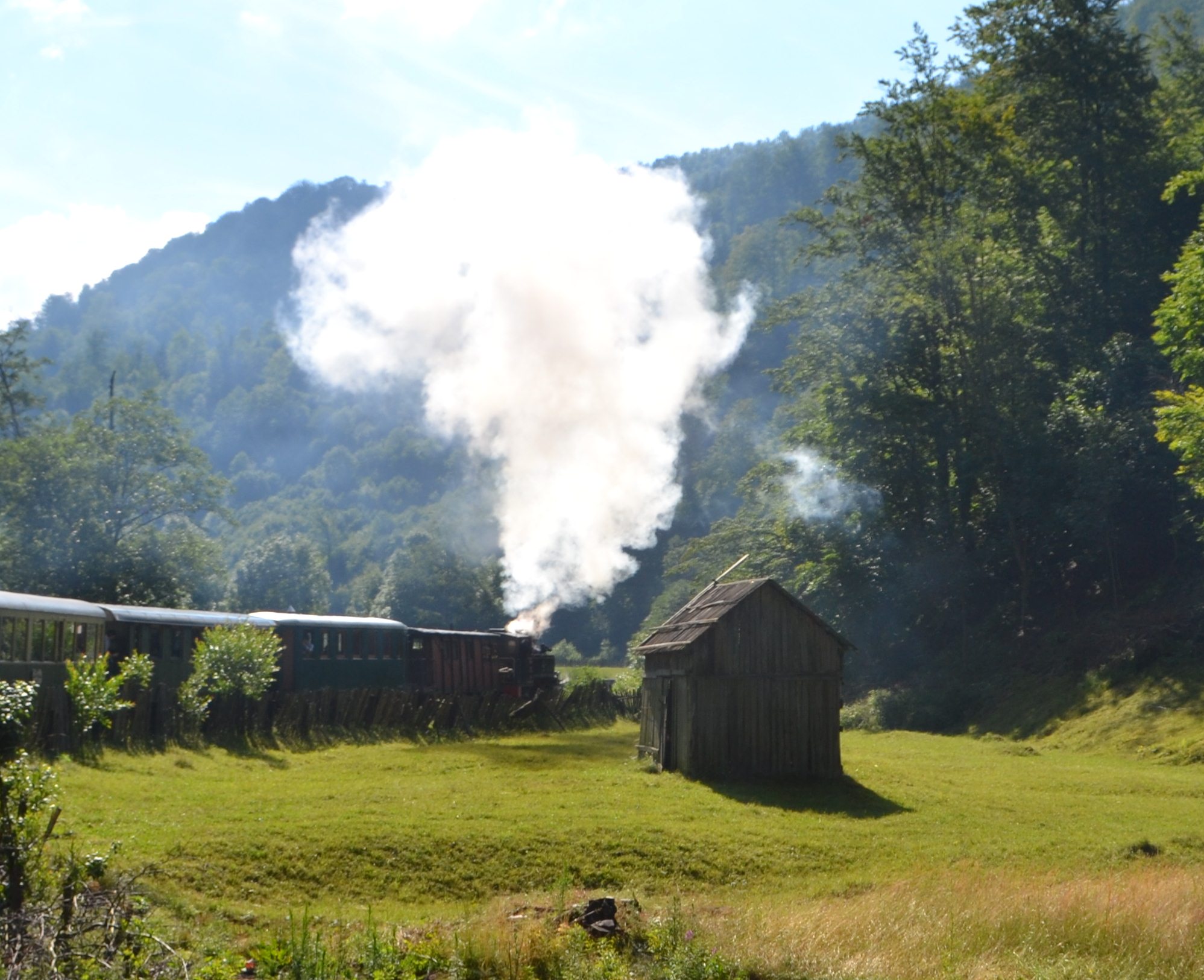
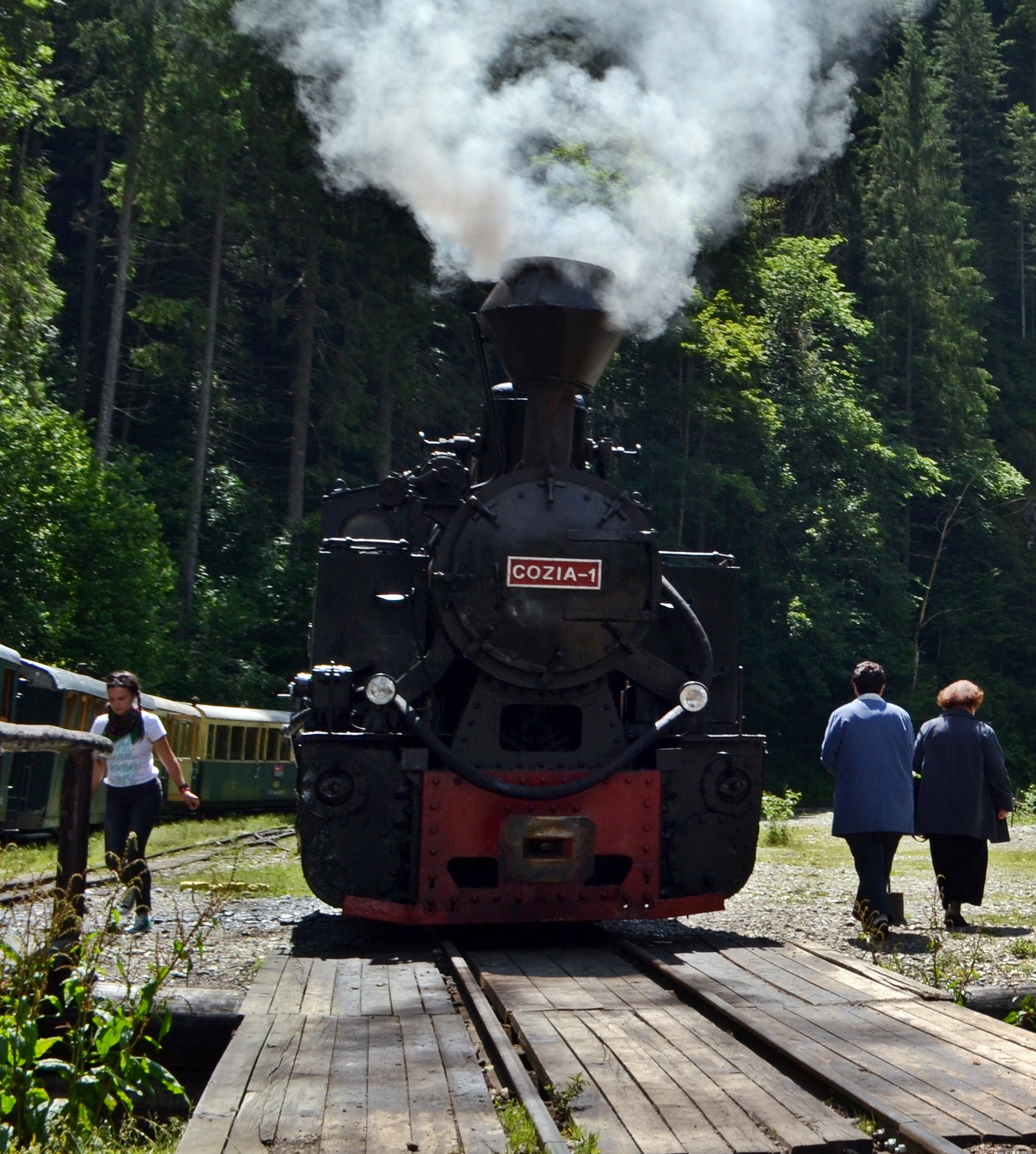
A ride on the Mocănița through the Vaser Valley seems like a natural choice when you arrive in these parts, and yet there are a few details you should keep in mind:
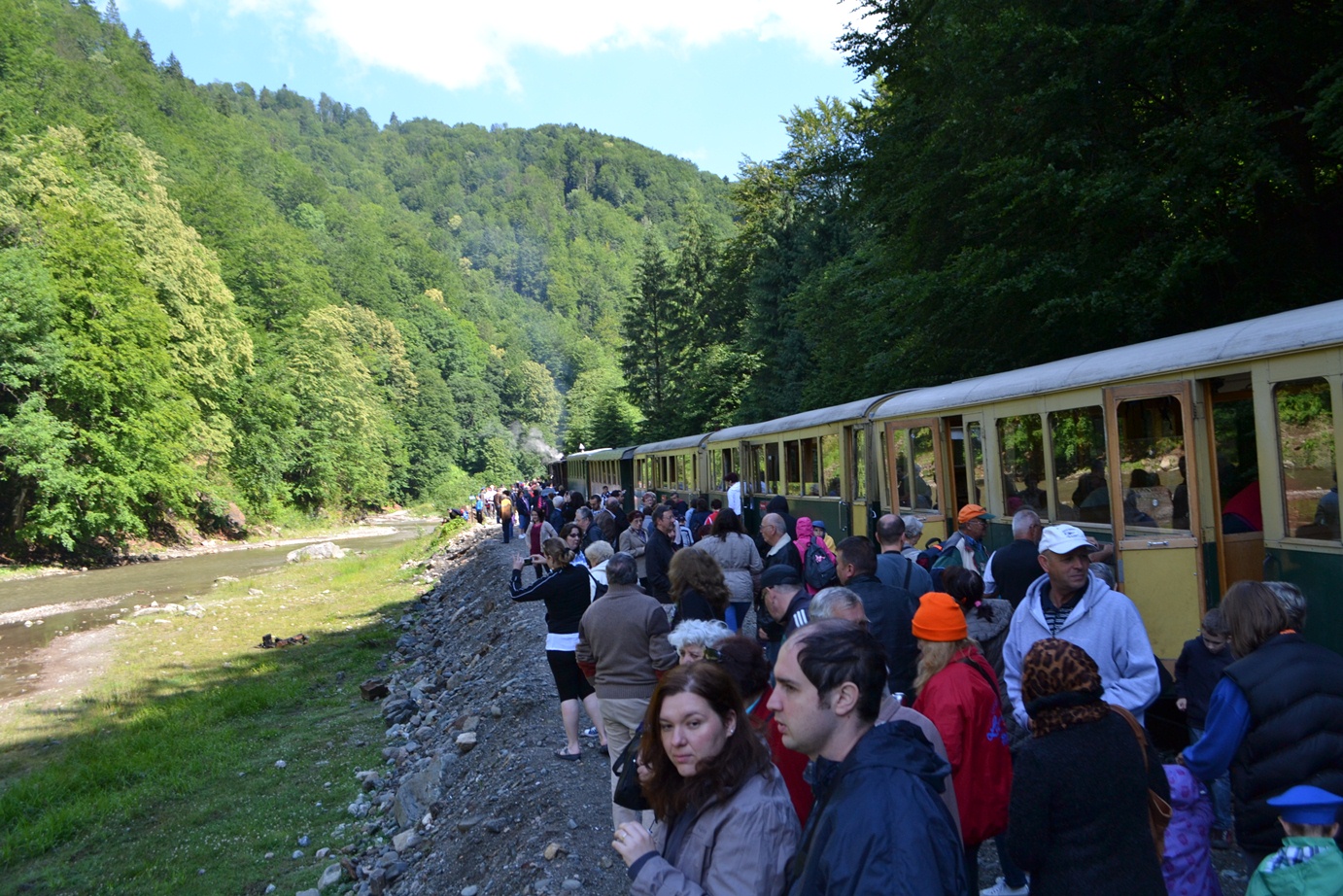
during the summer, the crowds can be quite large, and I believe the weekends are extremely busy (I understand that even 2–3 trains depart when there is a high influx of tourists); if you don’t have a reservation made by phone, it’s best to arrive there at least half an hour before the train leaves the station (08:30)
mornings in the area can be quite chilly, so you’d do well to take a thicker coat, and if there’s a risk of rain, take something waterproof too (when I was there, out of the train’s 7 small carriages, 3 were without windows—so they offer no protection against rain and cold)
The route itself is picturesque, even if the first third of it is through a valley with homesteads and logging operations; the route is about 22 kilometers long, and on the way up, there are three stops to refuel with water and coal, whereas on the way down, there is only one stop.
Being a tourist train, the waiting times, the departure and return schedules, the stops… they are all quite approximate, so do not count on returning to the Viseu station at an exact time.
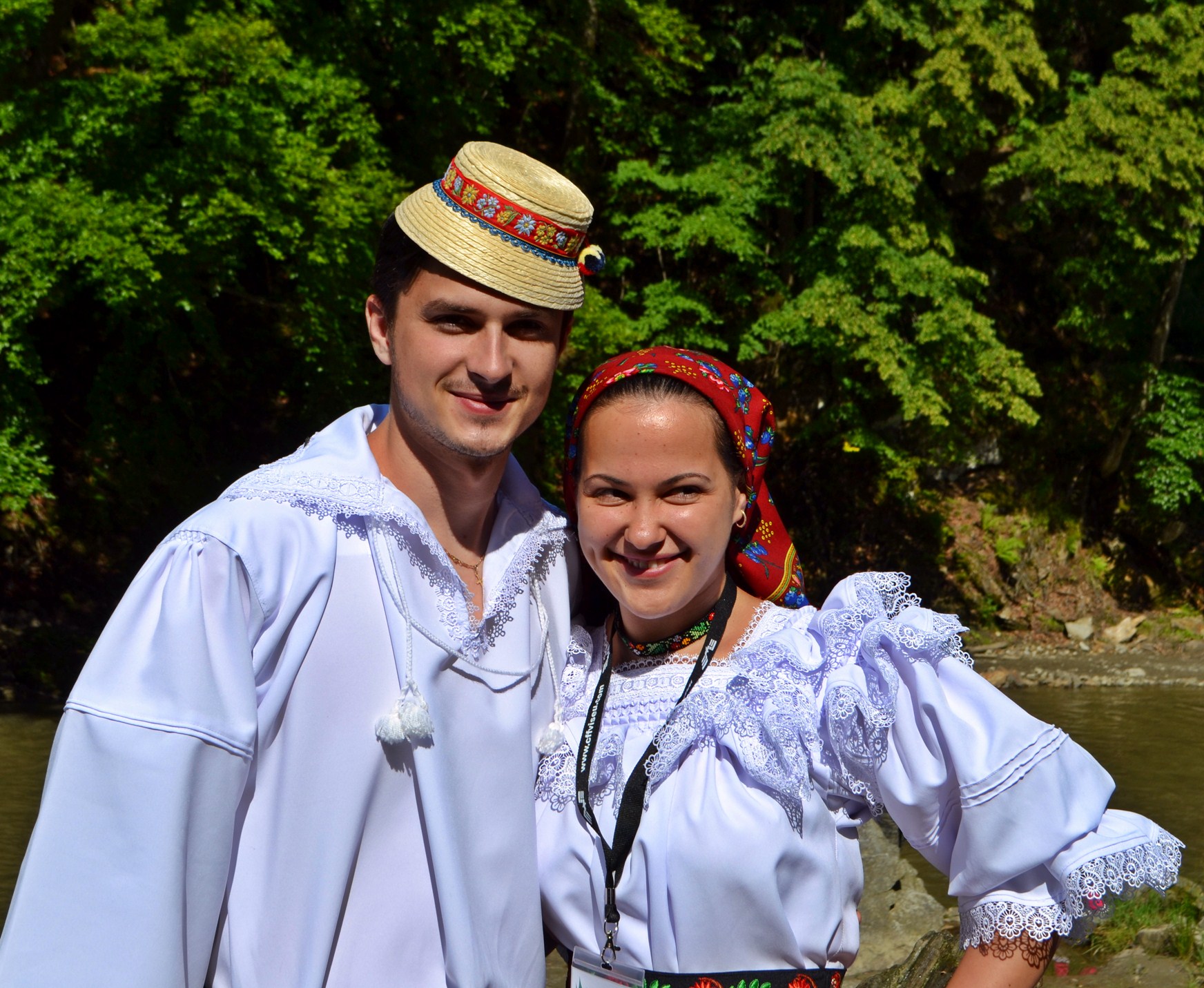
The young people in the image are part of the train’s administrative staff and sell doughnuts (literally) at departure and grilled food at the destination; there are also the so-called ticket collectors (“nașii”) who can be useful for finding out a thing or two about the area.
After about two hours of travel, you reach the Padiș stop, where you can have a meal prepared by the staff transported in the first carriage (prices are reasonable considering the location and conditions)… once you arrive there, queues already form where you pay for the food, and another queue for the food itself; an hour and a half on average, during which you don’t have much time to walk around, but I understood from a “naș” (ticket collector) that there is a viewpoint about half an hour’s climb up the steep slopes in the Padiș area.
The locomotive rests while the tourists feast
Between 12:30 and one o’clock, the train starts showing signs of impatience and whistles for boarding (in principle, there are about 10 minutes from the moment it starts calling the tourists until it actually sets off… plenty of time for us to gather from the hills)
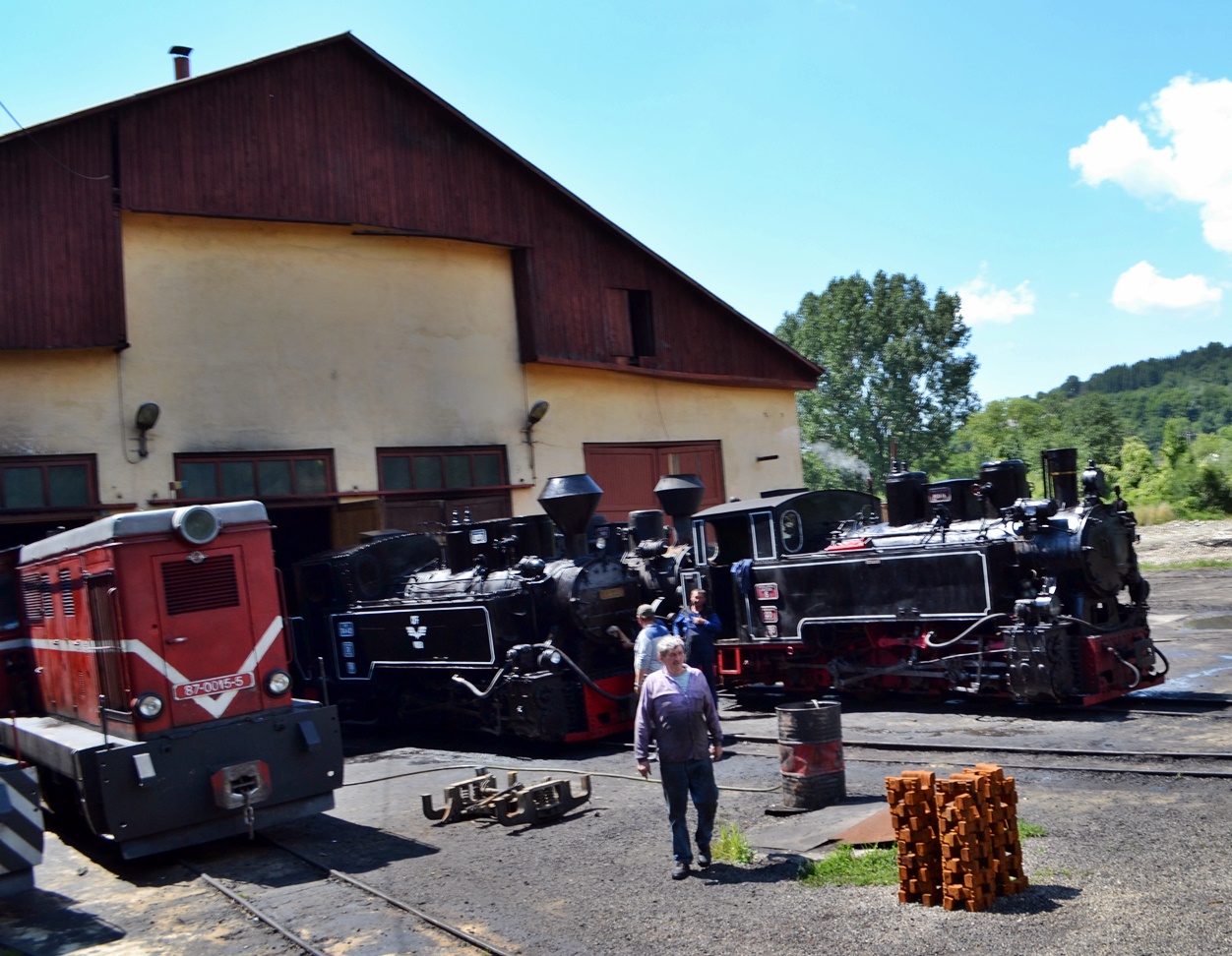
And look, the Mocănița slowly takes it downhill; the journey seems easier, conversations strike up between passengers and time passes more easily, superb landscapes, bored or rambunctious children… and look, already the Viseu Depot.
A beautiful experience, but I wouldn’t say it’s the best thing that can happen to you in Maramureș (as suggested by the Tripadvisor.com rankings)… if you have small children who don’t appreciate landscapes, it can be a bit frustrating for them, especially toward the end of the trip; if you are an energetic person, it can be just as frustrating to sit in a seat for so many hours without the possibility of exploring the valley on foot.
Unique to me seemed the draisines used by the locals, some of them also for tourist purposes, I suspect.
Other extremely appreciated sights in Maramureș are the old wooden churches of the Iza Valley (Budești, Poienile Izei, Ieud Deal, Desești) and beyond, the Maramureș monasteries (among which Barsana Monastery stands out), and of course, the famous Merry Cemetery of Săpânța.
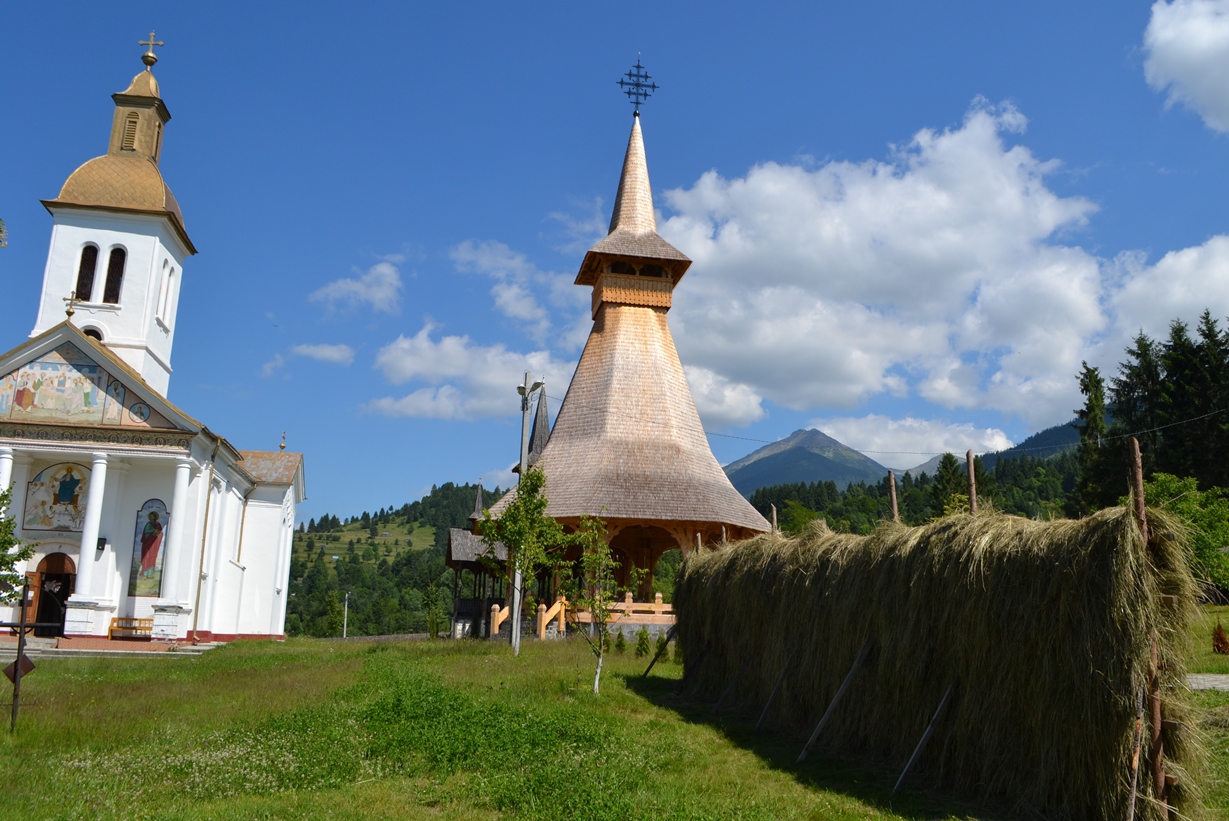
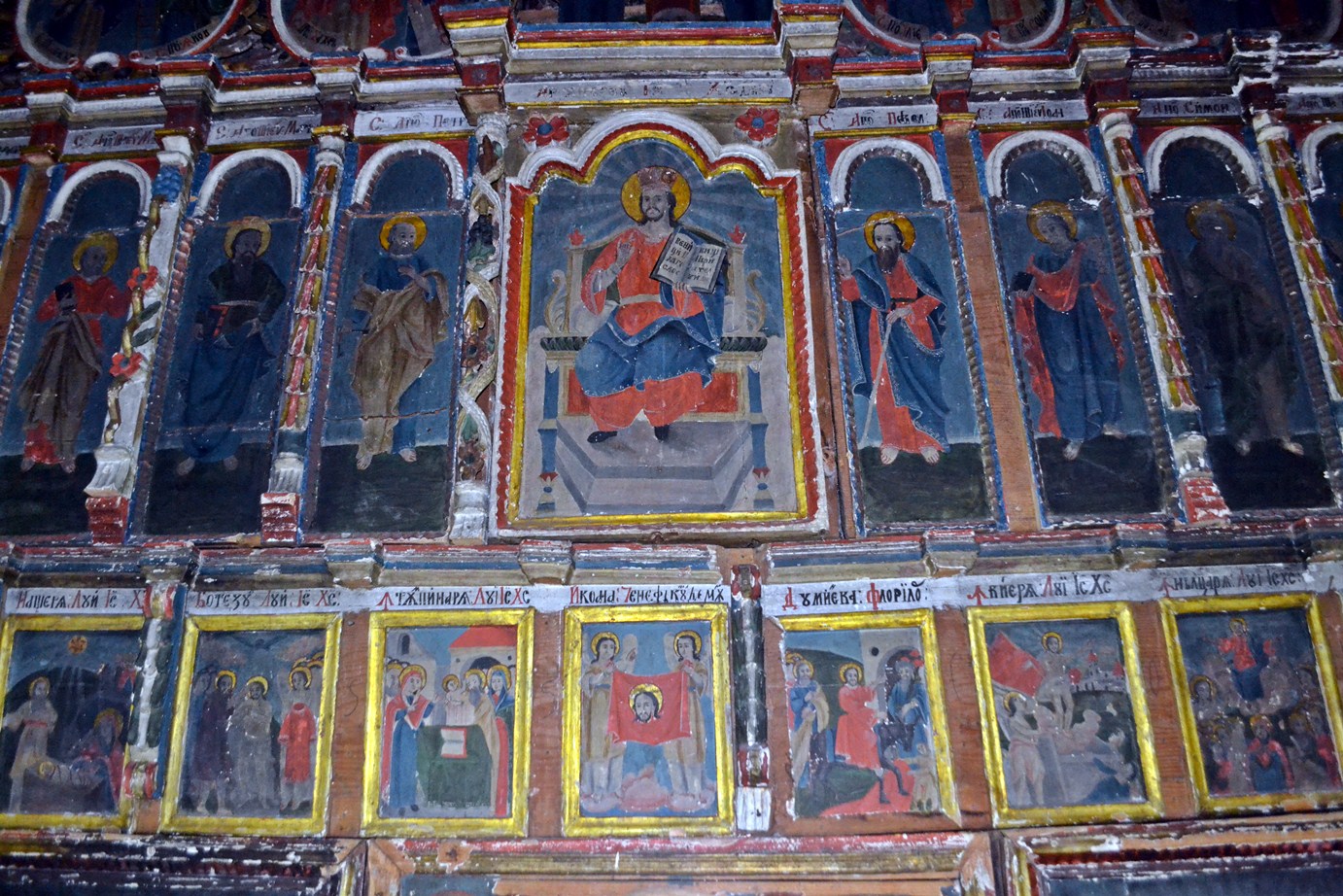
During the time I spent in Maramureș, unfortunately, I visited only one monastery: the Moisei Monastery (it is reached from the road connecting the Șetref Pass to Moisei – via a paved but narrow secondary road); the old church dates from around the beginning of the 17th century and has an interesting history (here)
The old church can be very interesting for believers and non-believers alike, not only due to the age of the paintings inside it, but the exterior of the monastery is also a beautiful area with superb landscapes—perfect for savoring in peace and humility.
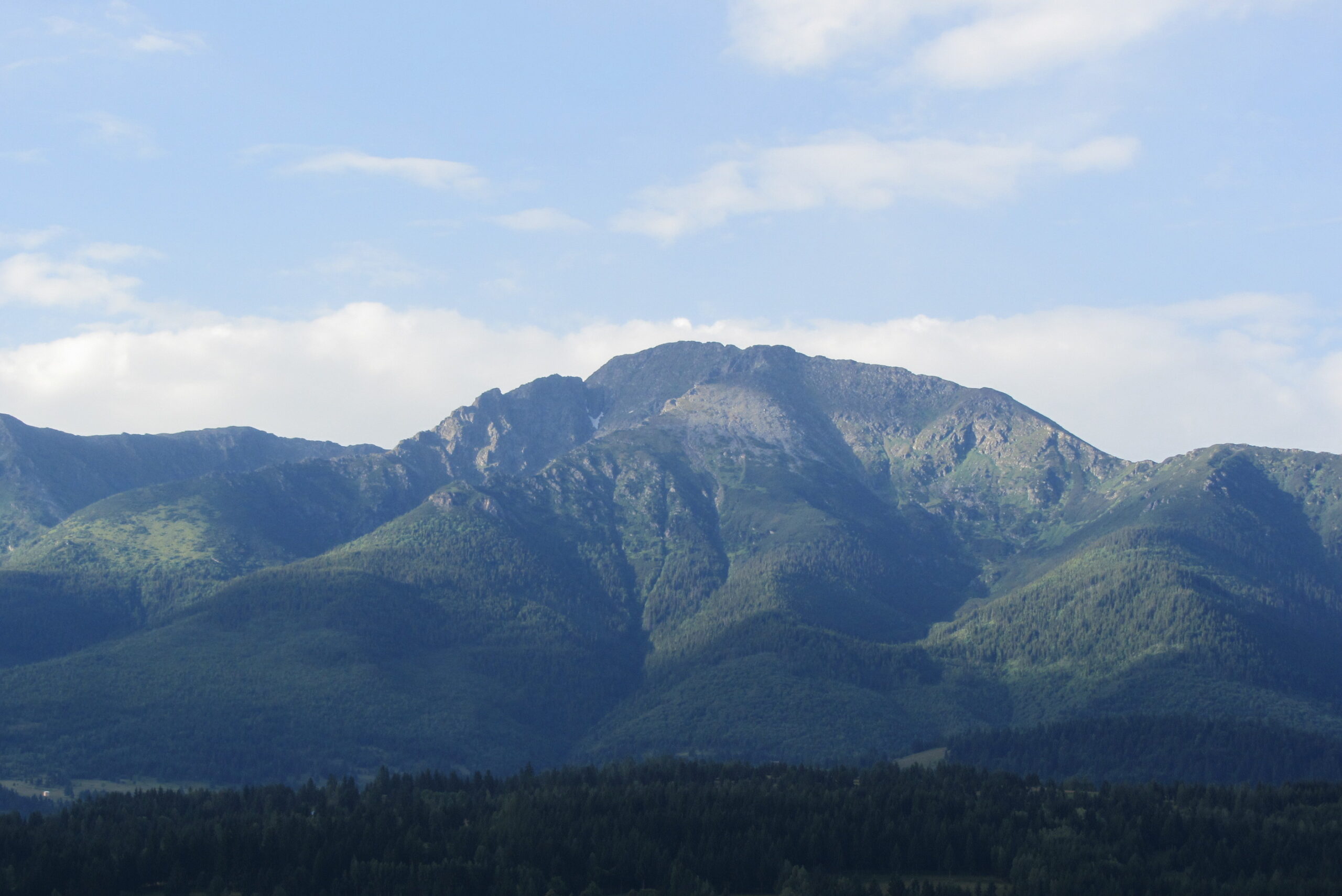
For those thirsty for the beauties of nature, Maramureș is a generous destination in all seasons; I focused only on the Borșa area, primarily for Pietrosul Rodnei (at 2,303 meters, it is the highest peak in the Eastern Carpathians), a relatively accessible and spectacular peak.
Lofty, seemingly defiant but also proud and generous like a Maramureș native protecting his children (“After a Maramureș cub / Do not throw a boulder / For if you miss him… / Woe to your head it shall be”), PIETROSU Rodnei awaits you to reveal its secrets, found only by those who dare to climb it.
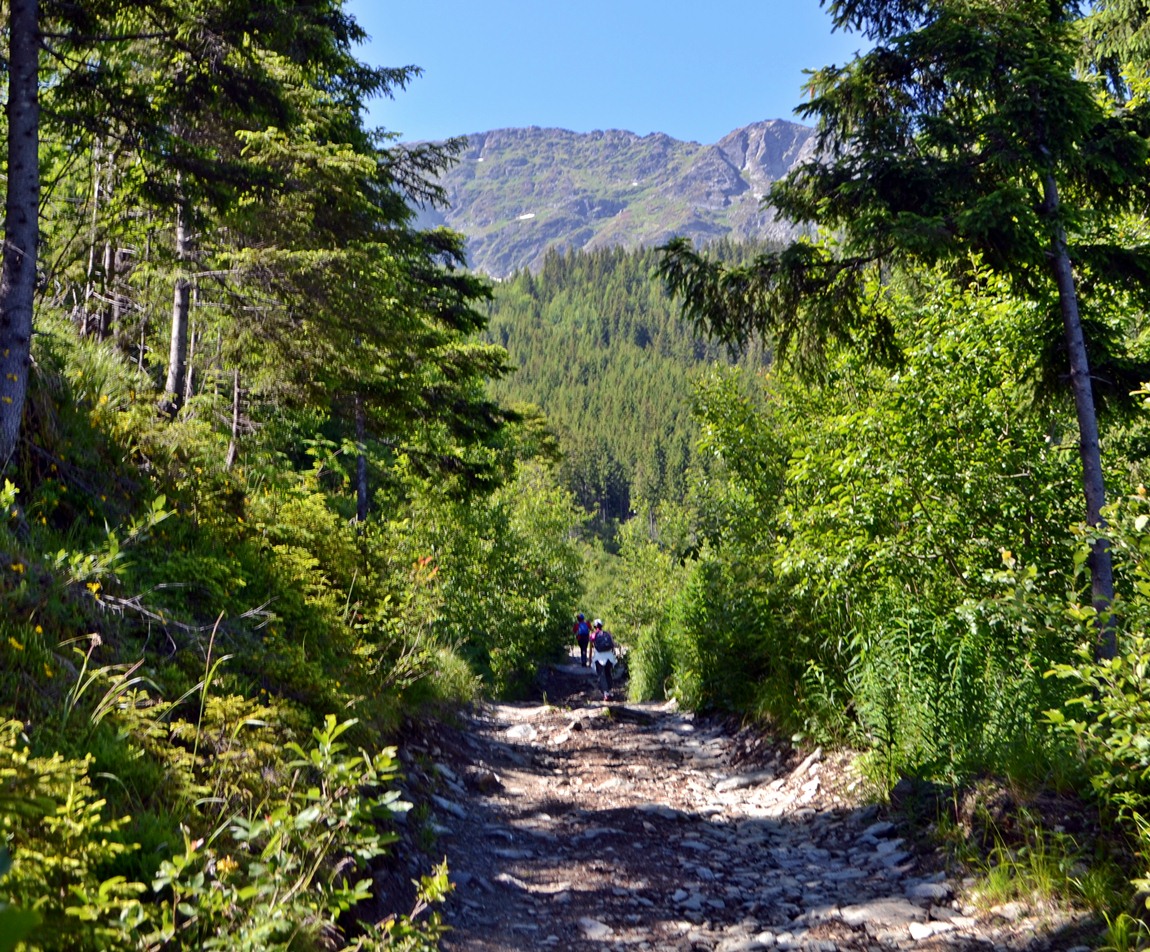
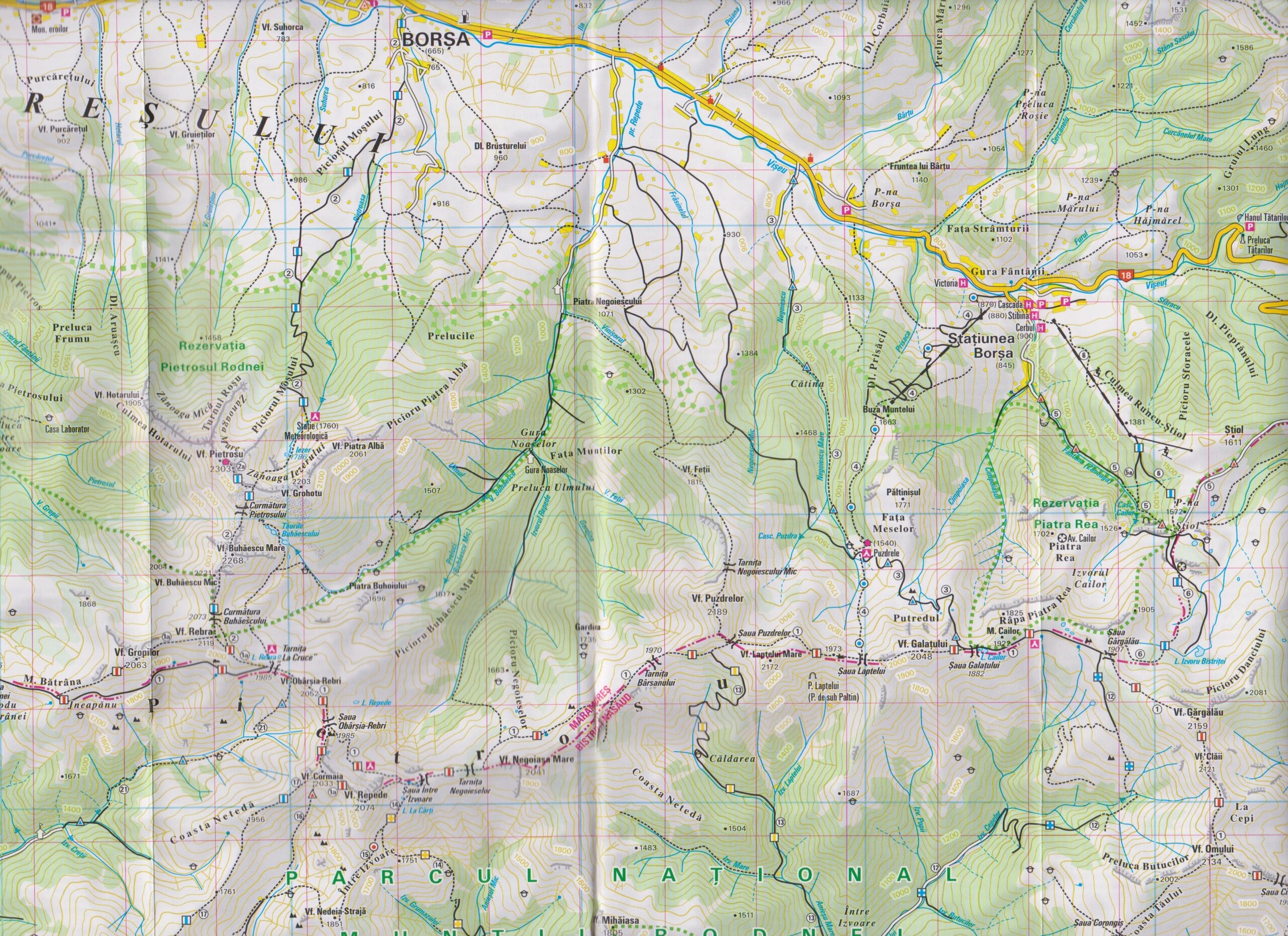
The route we chose is the classic one from Borșa (blue stripe): coming by car from Sighet, you enter Borșa and, after passing the hospital on your right, you take the first right (Avram Iancu Street), then follow the narrow but recently paved road almost to the hermitage where there is a designated parking area (made of logs and gravel) on the bank of a stream; here we left the car and followed the route that overlaps with the forest road which climbs up to the weather station.
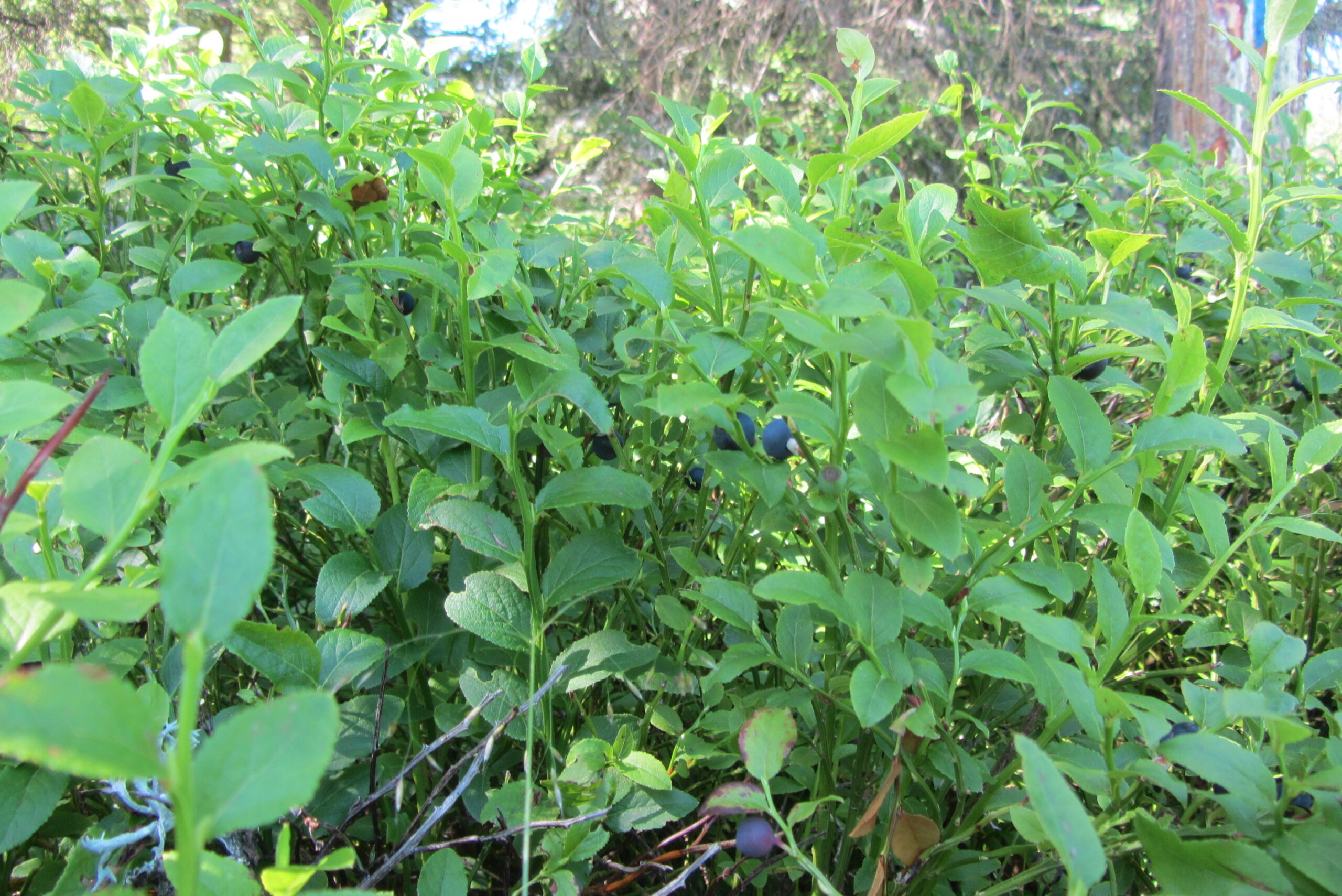
The road is in quite poor condition, and it’s better that way (only off-roaders can drive up it to the Weather Station), and the climb is gentle and full of enchanting views; at lower altitudes, blueberry bushes are omnipresent, and as you climb, the blueberries are increasingly unripe.
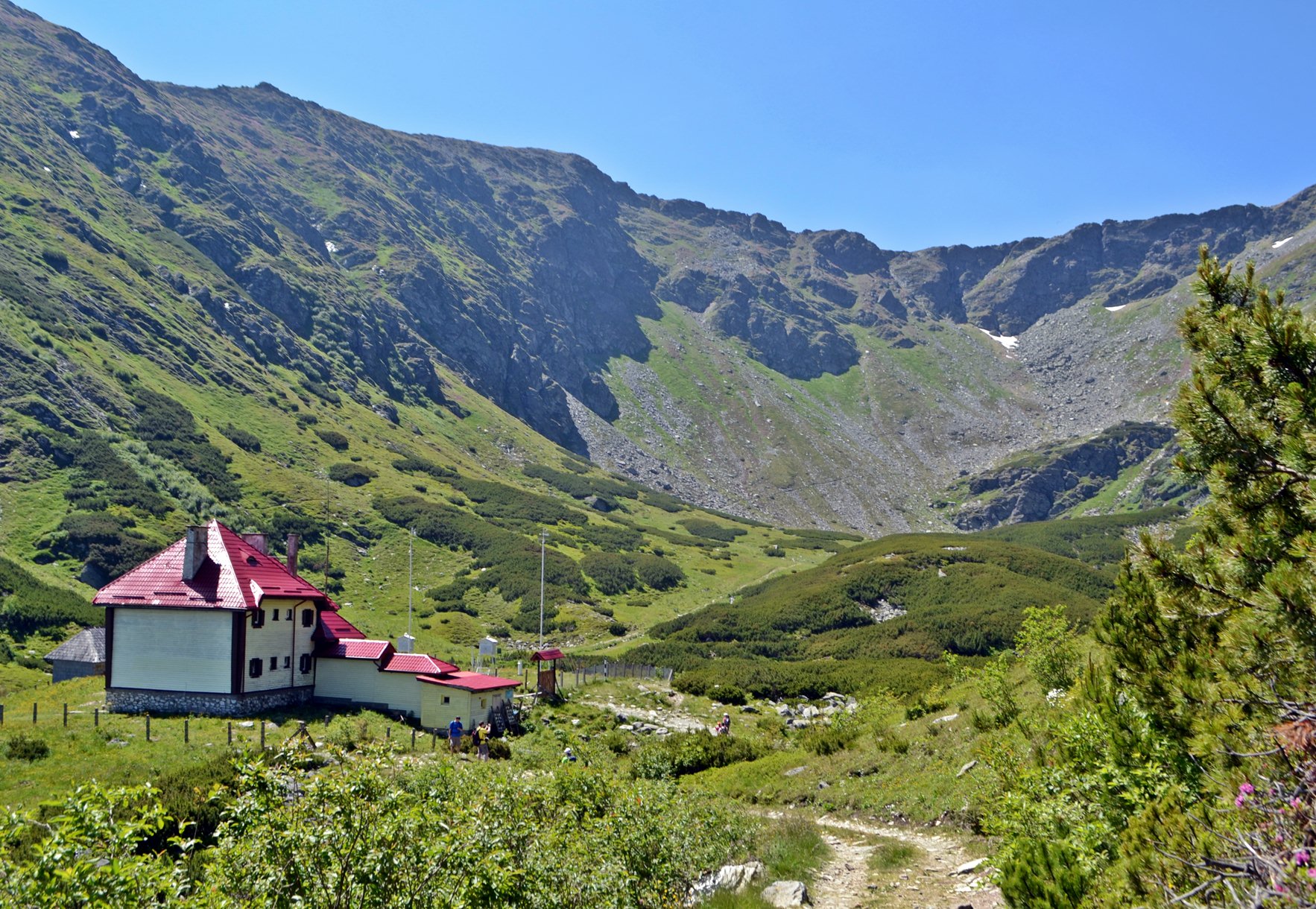
After a maximum of two hours of climbing with breaks for hydration and admiring the landscapes, you reach the Weather Station (where, from what I understand, overnight accommodation is still offered to those accustomed to mountain huts).
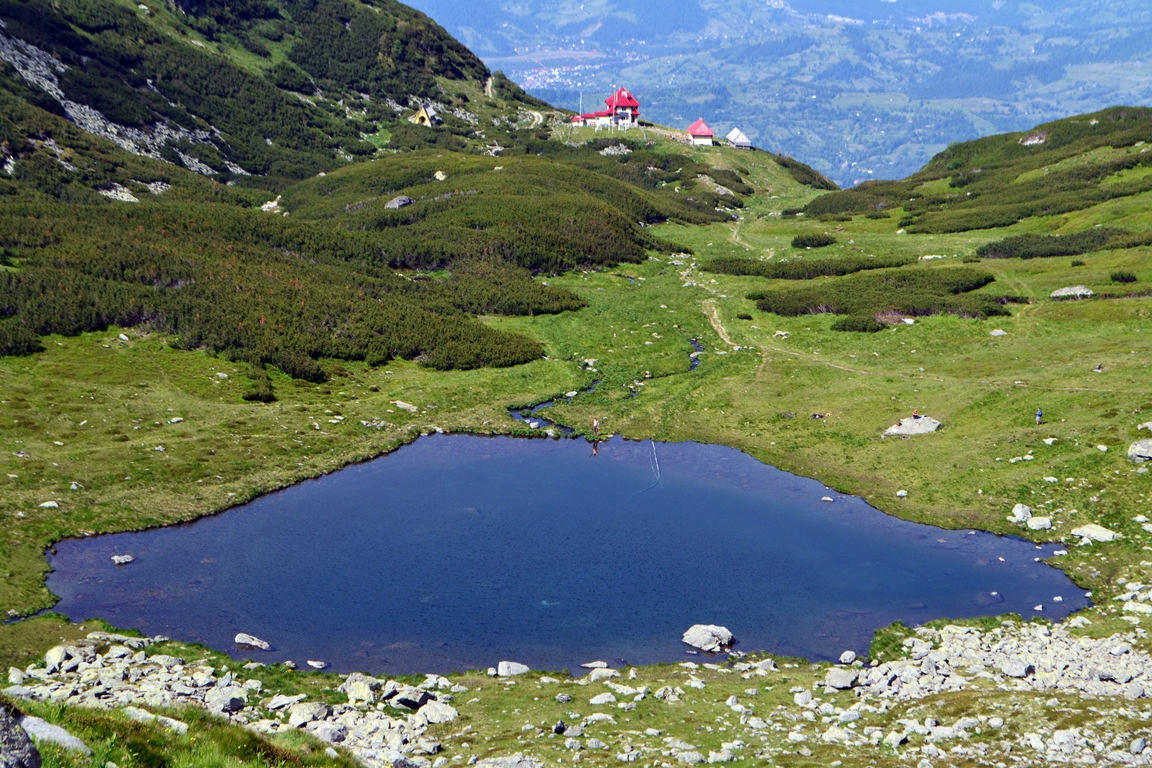
From the Weather Station, in a maximum of fifteen minutes of walking on a superb path through dwarf pines, you reach Lake Iezer (a glacial lake located at the bottom of a glacial cirque) … with clear and cold water; a welcome break, and you begin to search the slopes for the path that leads up to Pietrosu; from here you have between one and two hours left to the top, at an altitude difference of 500 meters; during the climb, the shape of the lake reveals itself, which is extremely familiar to those who have seen the map of Romania 🙂
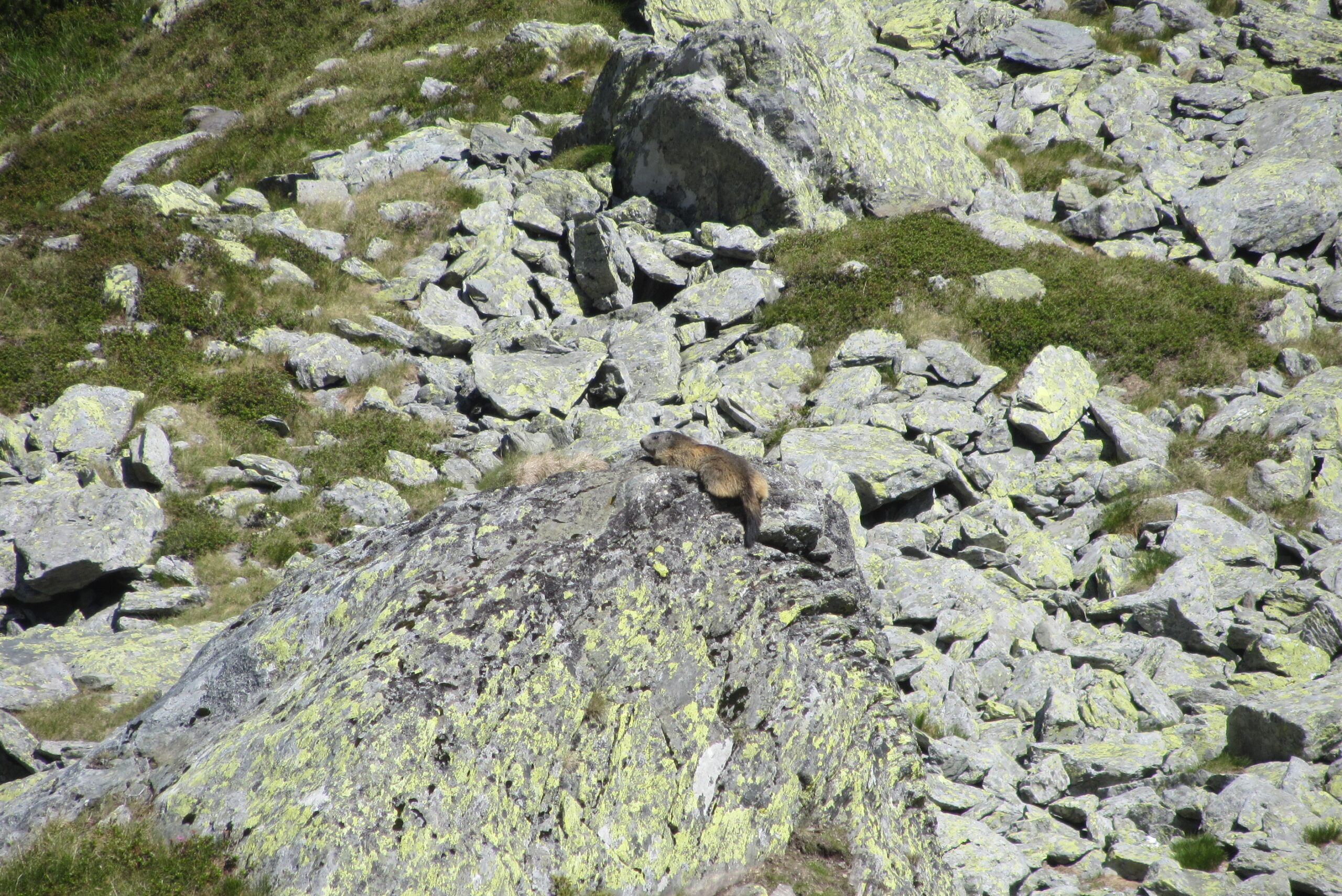
I recommend not rushing because if you have a little patience, you will see marmots near the path (their unmistakable whistles announce the presence of an aerial predator, but most of the time they bask in the sun and play).
Reached the summit, all that’s left for you is to savor the uninterrupted panorama and the peaks you can easily identify: Puzdrelu, Buhăescu Mare, Țibleș, the Maramureș mountains, and so many others, provided you have a map :))
Everything is at a superlative from up there, but it’s even better if you have the luck to come across two rangers with trained eyes who ask for your binoculars (since they were more modestly dressed and sparsely equipped for the mountain, we had a moment of hesitation in giving them our binoculars) so they could see something…
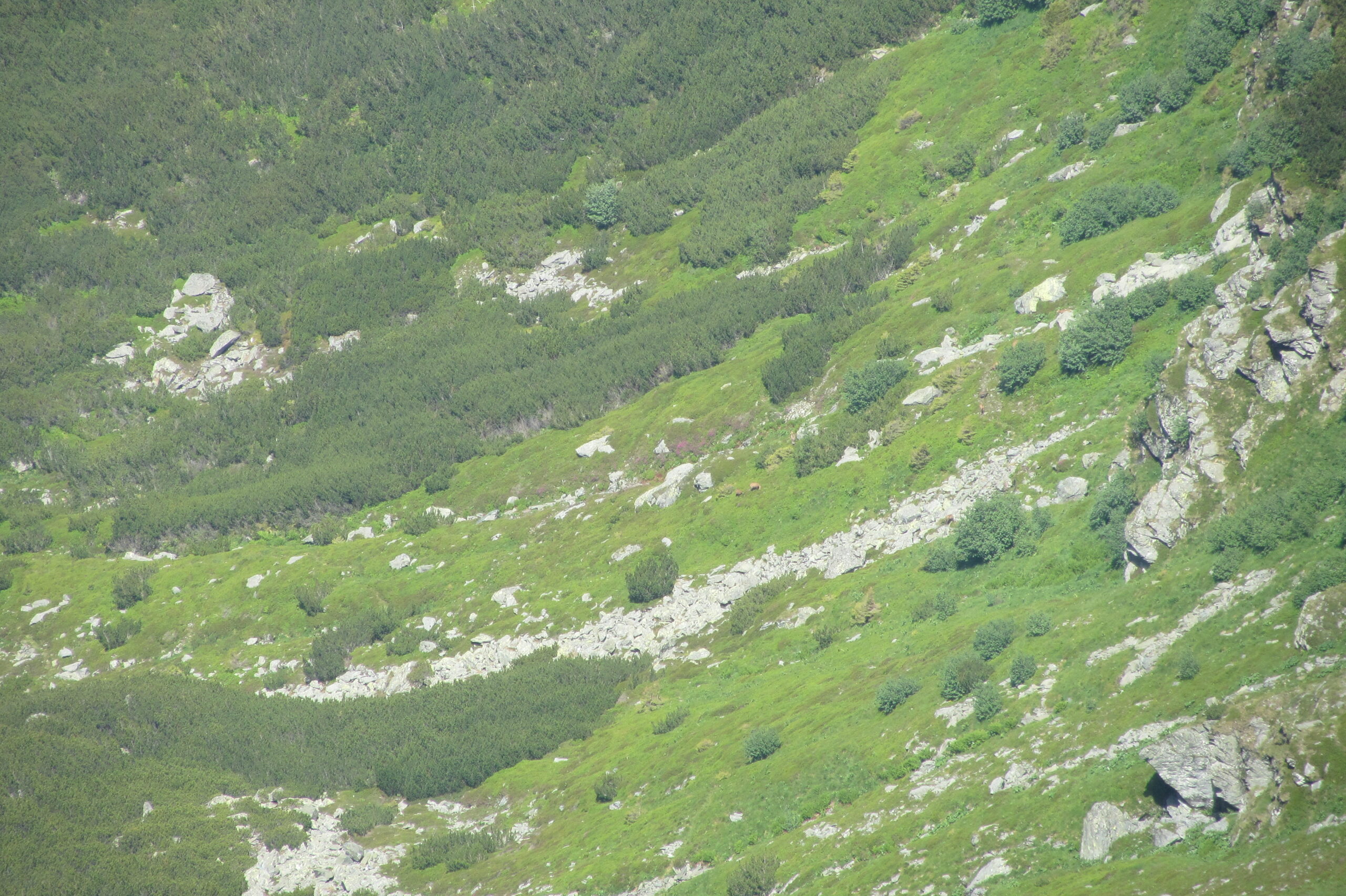
and when they start counting… SURPRISE!!! black goats (chamois)… You’ve truly caught God by the foot; in the high-resolution photo, 8 goats and a kid are visible (hallucinating… how the rangers could see the kid)… for something like this, the term “grateful” was invented; so if someone unknown on the mountain asks for your binoculars, it’s because they want to show you something special and not to run away with them… mountain people are beautiful people (well… except for the poachers and the loggers)
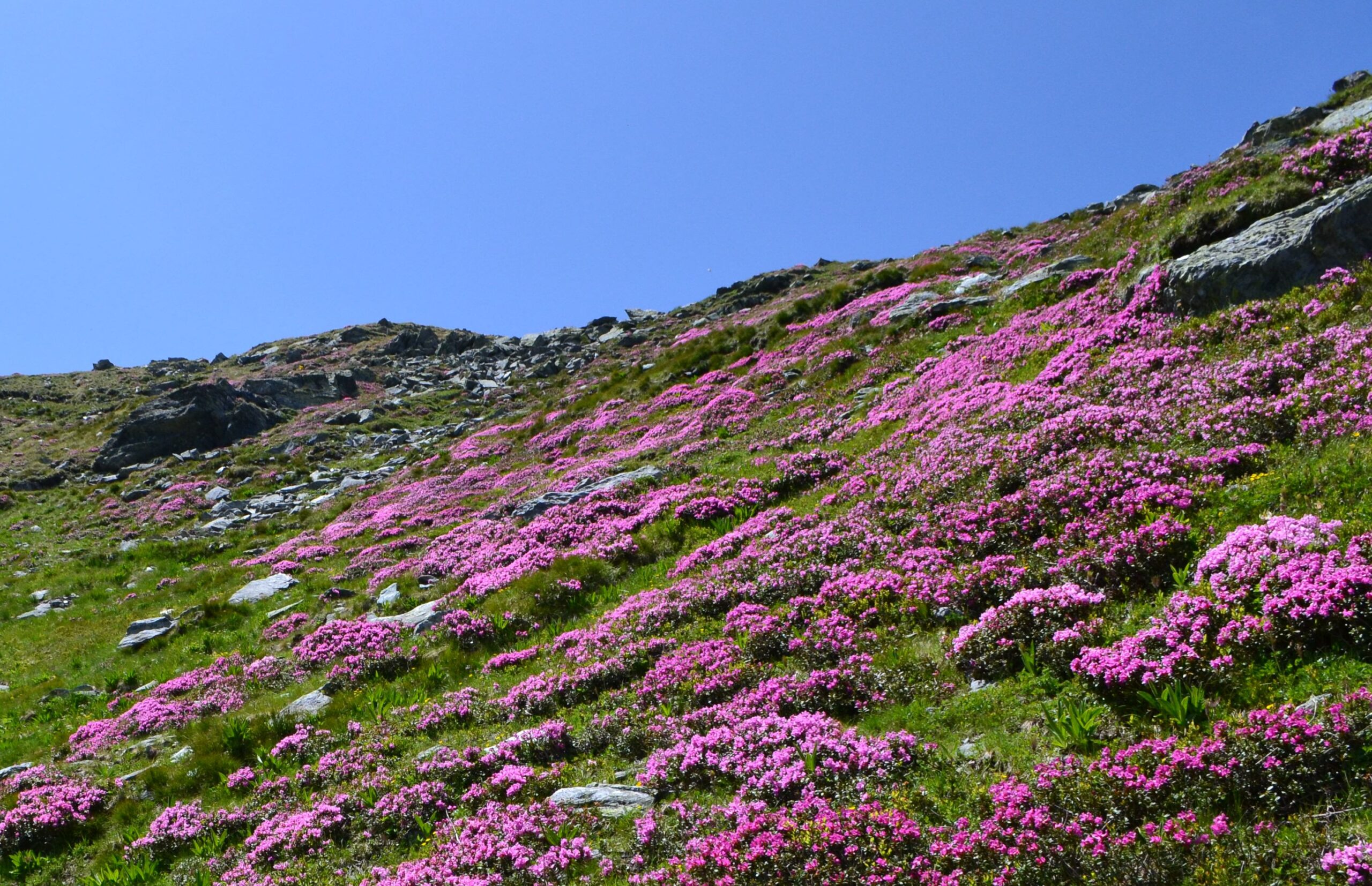
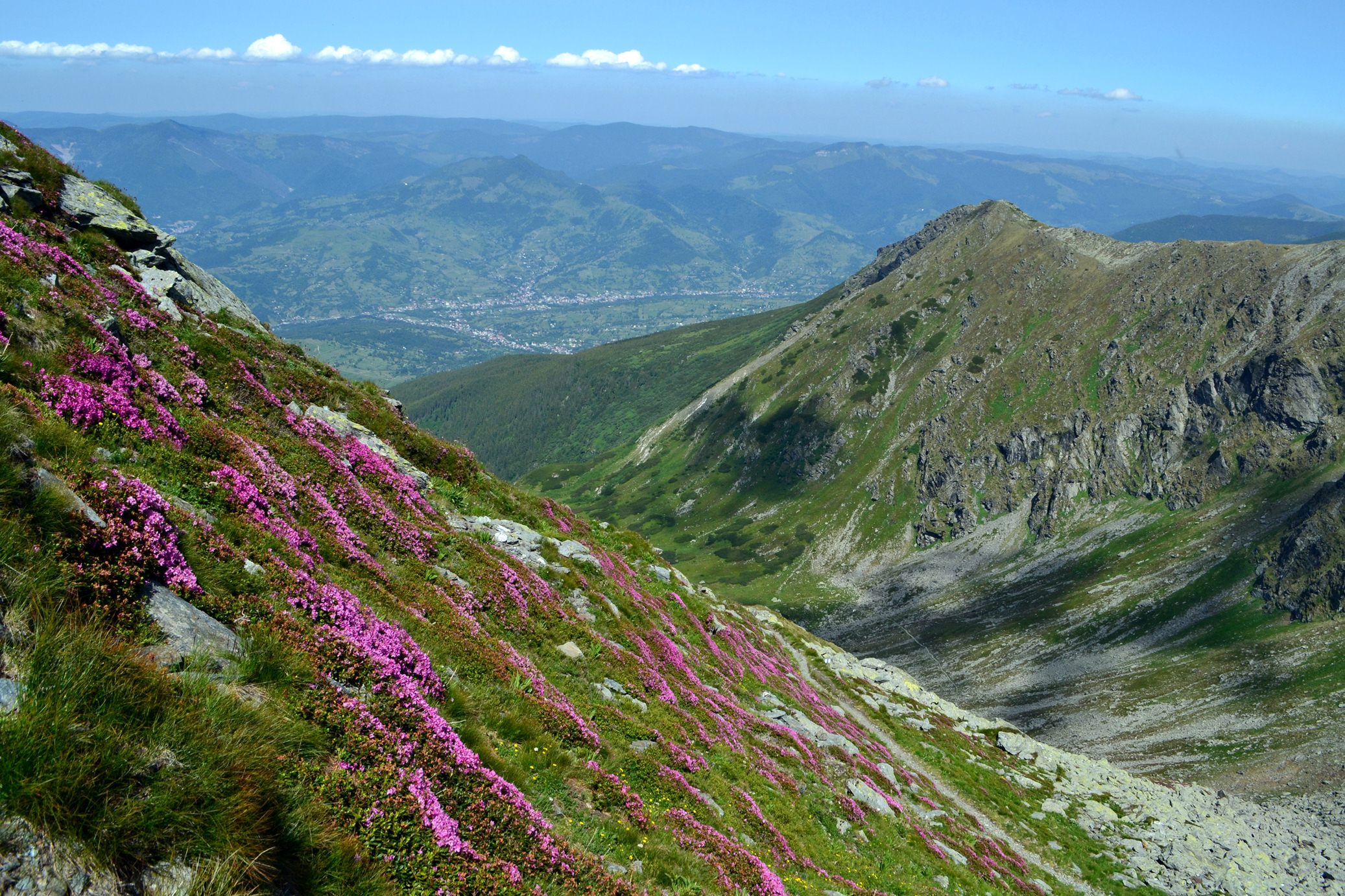
Enthusiastic, you head downhill, spellbound by the beauty of the slopes covered in Mountain Peony flowers (or Smârdar – part of the Rhododendron family) which at this time of year (early July) are mostly shedding their petals but still offer extremely colorful alpine views.
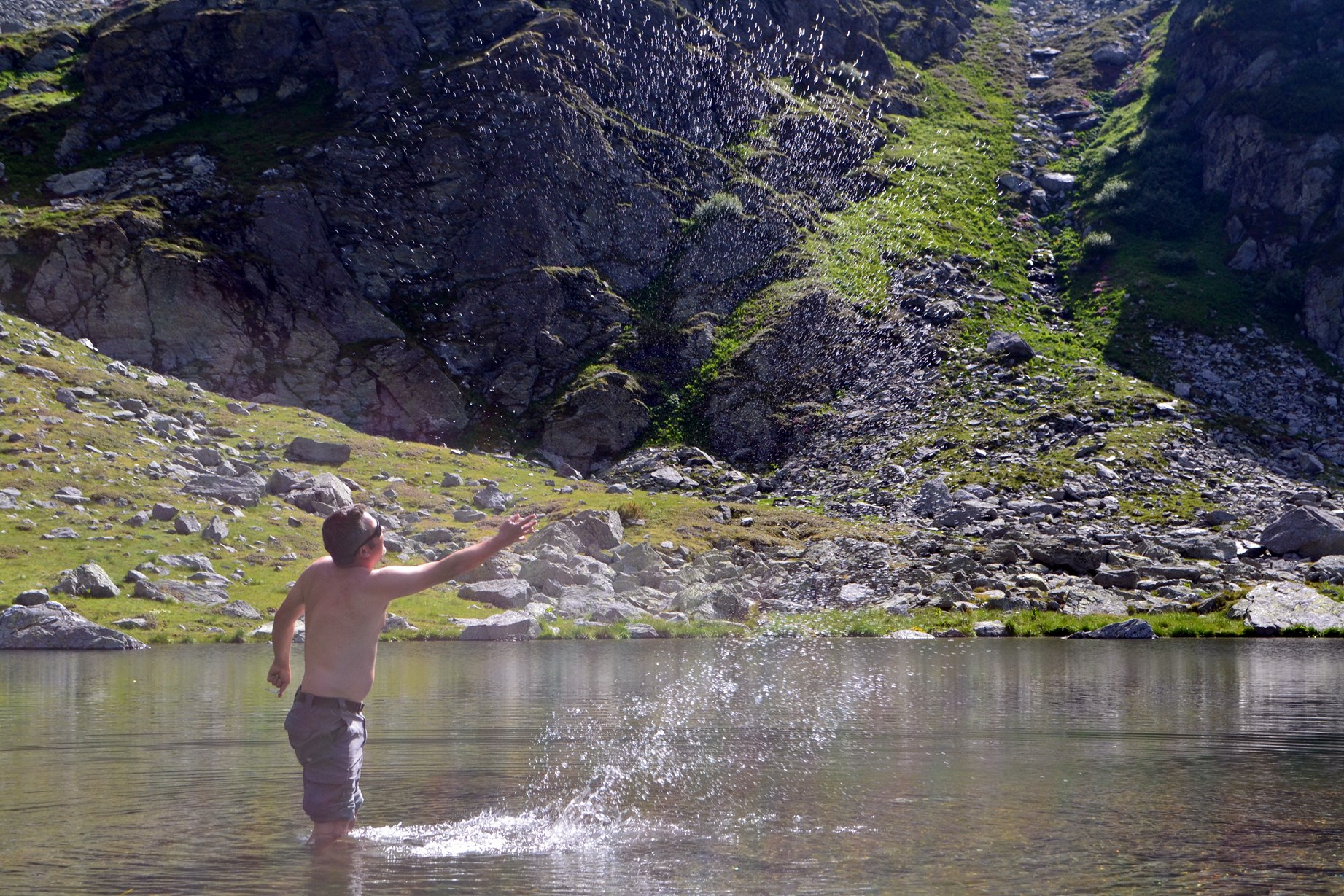
Arrived back at the lake, you can hardly restrain yourself from dipping your feet into it, in a strange sensation of the divine mixed with pain (obviously, a hot foot in water only a few degrees above freezing is an extreme combination).
From here to the car in the valley, we have a maximum of three hours left (including blueberry picking… speaking of blueberries, if you see that you aren’t making much progress picking them, don’t be sad; it means you don’t have a special comb with you, and more patient boys will probably be wandering around your lodging offering full buckets of blueberries at a negotiable price… the one I bargained with for a bucket didn’t have sales skills yet, and I chose to be more generous with him than the market price—somewhere around 35 lei for a 5-liter bucket).
Route conclusions:
– distance traveled: 15 km – medium difficulty
– quite a large elevation gain: starting at 900 meters and reaching 2303 …so about 1400 meters
– the slope is fairly constant
– take water with you as there aren’t many springs, good hiking boots, binoculars, and a raincoat if the weather isn’t 100% favorable (Orange signal is available along almost the entire route)
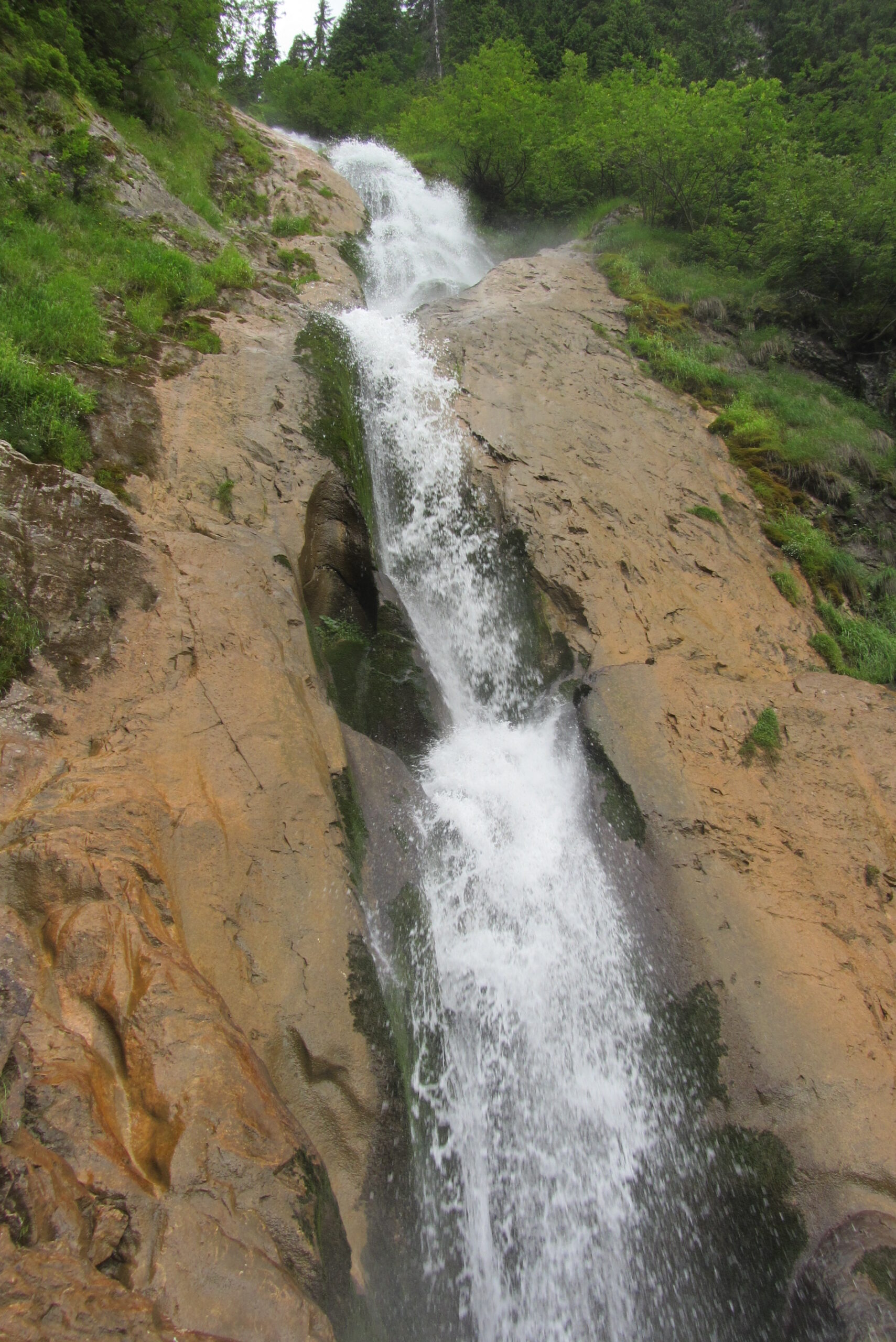
We also wanted to see Horses’ Waterfall (one of the tallest waterfalls in the Carpathians – which has plenty of water this time of year 🙂 ) … you take the chairlift from Borșa resort for about 20 minutes and then hike down toward the waterfall for about another half hour. Obviously, if there’s any chance of rain, it will materialize exactly when you’re on the chairlift or on the trail to the waterfall, so it’s good to have something waterproof and a bit of tolerance for summer rains.
That is about all I managed to do in those two days (three nights) in the Maramureș region … I’m leaving Săpânța, Bârsana, other wooden churches, the Memorial to the Victims of Communism and of the Resistance in Sighet, and other peaks in the area for another time, and I’ll conclude with a suggestive photo taken during an evening off-road trip with a local enthusiast.
Have safe travels in Maramureș and enjoy the hospitality and warmth of the locals just as I did 🙂